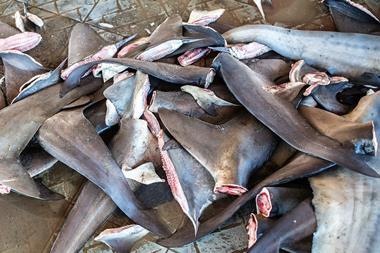





Migrant labourers dominate Kerala’s marine fisheries sector, accounting for 58% of the fishing workforce, a new study by ICAR-Central Marine Fisheries Research Institute (CMFRI) has found. The study, conducted across harvest, post-harvest and market segments, indicates that migrant workers have emerged as the backbone of the marine sector in the state.
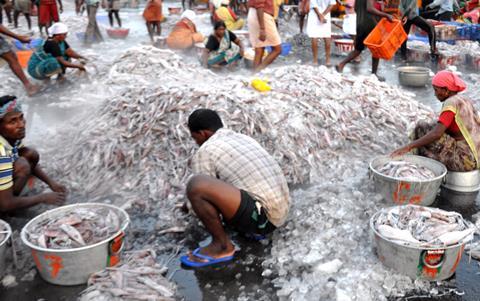
Findings from the Kerala component of the national research project on changing dynamics of labour migration on employment, livelihoods and resource productivity patterns in the Indian marine fisheries sector were presented at a consultative workshop held at CMFRI.
The study found that Munambam harbour in Ernakulam district has the highest concentration of migrant labourers in Kerala’s mechanised fishing sector, accounting for 78%. Labourers, mostly from Tamil Nadu, West Bengal and Odisha, are working in the fishing sector. Migrants constitute 50% in post-harvest units and 40% in fish markets.
It was also learned there’s growing disinterest among younger generations – both native and migrant – in pursuing a livelihood in the marine sector, indicating uncertainty about the long-term sustainability of the workforce in the sector.
The workshop was organised to gather responses to the findings and collect additional inputs from diverse stakeholders to support the research project. CMFRI Principal Scientist Dr Shyam S Salim was the project’s principal investigator.
Highlighting sharp differences in expenditure patterns, the study found that while natives spend 20–30% of income on savings and significant portions on education and housing, migrants remit up to 75% of their income to their families back home, often living in boats with minimal spending on housing and amenities in Kerala. Migrant incomes are consistently lower than those of native workers—averaging ₹25,000 monthly in harvest centres compared to natives’ ₹30,000, and dropping to just ₹11,000 in post-harvest jobs.
Despite their dominance, migrant workers remain highly vulnerable, facing exploitation, health risks and lack of social security. While native labourers faced major constraints such as insufficient income, indebtedness, off-season unemployment and lack of credit interest, the migrant workers struggled mostly with identity crises, differences with native workers, isolation and discrimination, the study found.
The “Labour Mobility Grid” developed through the project outlines the complexities of fisher migration, identifying push factors such as poverty and unemployment in source states, and pull factors like higher wages and demand in Kerala.
Inaugurating the workshop, Fishery Deputy Director Dr Maja Jose said that the government would take steps to address the concerns of migrant workers in the best possible manner.
The workshop proposed urgent policy interventions for fisher labour welfare, including better housing, health coverage, education support, and livelihood diversification measures.