




Scottish pelagics boost
Scotland’s fishing sector is to become more hands-on by collecting the data used to make yearly management decisions about herring, mackerel and blue whiting stocks, through a new government-supported, industry-led initiative.
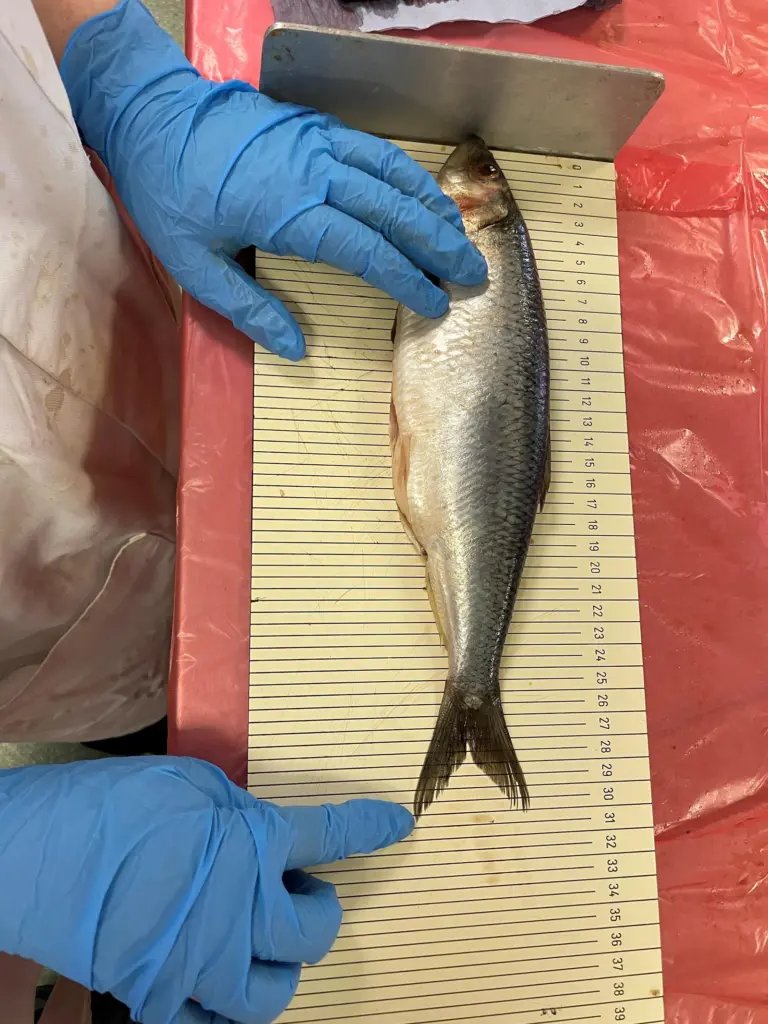
Since the 1970s, Scottish Government has collected data on the catches of pelagic species, mainly from fish obtained from processers when the vessels land their catch. Moving forward, fishers will collect fish samples onboard directly from their individual hauls and will supply these to scientists for analysis.
The collaboration has been developed by the Scottish Pelagic Fishermen’s Association (SPFA), Shetland UHI and the Marine Scotland directorate of the Scottish Government.
“The Scottish pelagic industry recognises that engagement in science is more important now than ever,” SPFA Chief Executive, Ian Gatt, said. “Taking new responsibilities for providing scientific samples is seen by the industry as a welcome opportunity to directly contribute to the continuous improvement of stock assessments.”
Almost all Scottish pelagic fishing vessels have volunteered to take part in the data collection programme.
“The strong uptake from industry strengthens the evidence base; improving insight into the health of these fish stocks and the state of Scotland’s marine environment,” said Matt Gubbins, Head of Fisheries Data within the Scottish Government’s Marine Scotland directorate.
Information gathered by the sampling programme will be used by the International Council for the Exploration of the Sea (ICES) to make yearly assessments of the status of these fish stocks, which in turn are used to make management decisions, including fishing quotas for the following year.
A major benefit of this collaboration will be access to catches landed abroad.
Prof Jane Lewis, Principal and CEO Shetland UHI, praised the collaboration for establishing new ways of collecting scientific data to support improvements in fish stock assessments.
“The pelagic sector is of huge importance locally and working co-operatively with industry remains a key strategic aim for us,” she said.
Gatt suggested that the pelagic sampling programme could serve as a role model for others intent on similar applications.
“This new arrangement of collaborative sampling also gives scope for greater industry involvement and responsibility in scientific research in the future,” he said.
The programme has been successfully implemented for the first mackerel fishing season of 2022.
“This is a welcome partnership between Scottish fishers and our scientists, which will support the protection of valuable pelagic fish and, in turn, bring long term economic benefits,” Gubbins added.
Related Articles
 FISHERIES
 FISHERIES
 FISHERIES