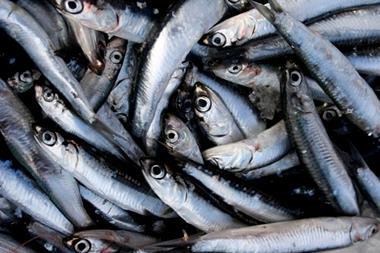




A new pilot project has shown how Scottish pelagic fisheries could significantly strengthen traceability by digitally linking catch data from individual fishing hauls through to onshore processing and distribution.
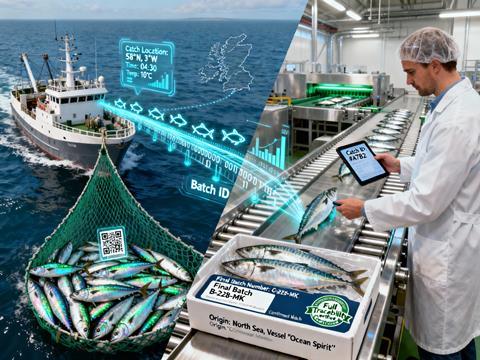
The project “Catch to Batch” has developed a practical traceability tool for mackerel and herring by connecting data streams that have traditionally sat in silos – onboard vessels, within processing plants and across the supply chain. The aim is to address a long-standing industry challenge: maintaining buyer and consumer confidence in sustainability credentials in increasingly demanding global markets.
Rather than introducing additional reporting requirements, Catch to Batch builds on data that vessels and processors already collect. Onboard, information is drawn from mandatory catch reporting and the self-sampling carried out under the Scottish Pelagic Industry Science Data Collection Programme. Onshore, the system integrates existing factory quality-assurance data, tracked through the unique batch codes generated for each landing.
A key innovation is an online platform that allows vessels to record haul-specific biological data alongside detailed tank plans, showing how each haul is stored in refrigerated seawater tanks. This feeds into a new pre-landing report sent to processors ahead of arrival, providing advance information on haul composition and fish size. Following landing, factories generate a Catch Quality Report, linked back to the tank plan, giving vessels clearer feedback on how handling and storage may influence final product quality.
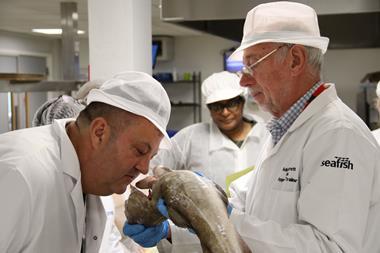
The pilot involved two pelagic vessels, Altaire and Artemis, working with Northbay Pelagic in Peterhead, alongside partners including the Scottish Pelagic Fishermen’s Association (SPFA), Interfish, Sainsbury’s, Verifact, Shetland UHI, Cefas and the Global Dialogue on Seafood Traceability.
“The outputs of this pilot project demonstrate that linking vessel and factory data is possible, resulting in benefits for scientific data collection, traceability and understanding catch quality,” SPFA Chief Scientific Officer Dr Steven Mackinson said.
Interfish’s Andrew Pillar said the pilot project has reduced the burden of tracebacks and enhanced the value for those involved through the implementation of efficient data recording and handling processes.
“But perhaps most importantly, it is an outward demonstration of the responsibility and sustainability credentials of the Scottish pelagic sector that has provided sellers with a story to differentiate their offering from others, which they may use to give consumers the confidence and peace of mind that they know the source of their product,” he said.
Retailer Sainsbury’s has also endorsed the approach, describing it as one of the most robust traceability regimes it has seen in global fisheries.
With backing from processors, producer organisations and buyers, project partners are now exploring how Catch to Batch could be scaled up across the wider Scottish pelagic fleet and processing sector.