


A Final Determination has been issued by the US Environmental Protection Agency (EPA) under the Clean Water Act to help protect Bristol Bay, regarded as the world’s most productive wild salmon ecosystem.
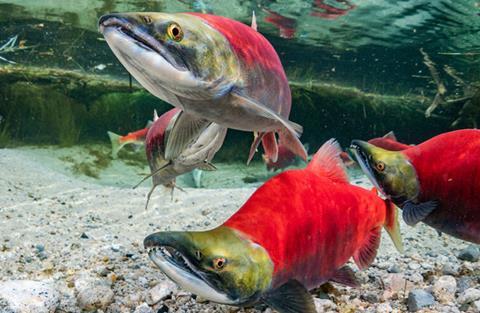
With this action, the Biden-Harris Administration is protecting certain waters that are important to sustaining Southwest Alaska’s salmon resources from disposal of dredged or fill materials associated with developing the Pebble Mine deposit.
Protecting Bristol Bay builds on a series of recent actions the administration has taken to conserve and restore certain lands and waters, many of which are sacred to Tribal Nations. Most recently, it finalised protections for the Tongass National Forest in Alaska and the Boundary Waters Area Watershed in Minnesota.
“The Bristol Bay watershed is a vital economic driver, providing jobs, sustenance, and significant ecological and cultural value to the region,” EPA Administrator Michael Regan said. “With this action, EPA is advancing its commitment to help protect this one-of-a-kind ecosystem, safeguard an essential Alaskan industry, and preserve the way of life for more than two dozen Alaska Native villages.”
“After reviewing the extensive scientific and technical record spanning two decades, EPA has determined that specific discharges associated with developing the Pebble deposit will have unacceptable and adverse effects on certain salmon fishery areas in the Bristol Bay watershed,” EPA Assistant Administrator for Water Radhika Fox said. “Our Final Determination helps prevent those adverse effects while helping protect a vibrant and magnificent watershed. It’s also important to note that EPA’s action does not apply to current or future resource development projects in Alaska.”
The Bristol Bay watershed’s fishery resources are a thriving economic driver for the region, generating significant nutritional, cultural, economic and recreational value. The total economic value, including subsistence uses of the Bristol Bay watershed’s salmon resources, was estimated at more than US$2.2 billion in 2019 and results in 15,000 jobs annually.
Bristol Bay Watershed is home to 25 Alaska Native villages and communities and supports one of the last intact, sustainable salmon-based cultures in the world.
Salmon provides more than half of the subsistence harvest for some Alaska Native communities in the Bristol Bay region.
After reviewing the Recommended Determination provided by EPA’s Region 10 office, including the scientific and technical information spanning nearly two decades, EPA determined that the discharges evaluated in the Final Determination will have unacceptable adverse effects on salmon fishery areas in the South Fork Koktuli River, North Fork Koktuli River and Upper Talarik Creek watersheds of Bristol Bay.
Ecologically valuable streams, wetlands, and other aquatic habitats, like those found in these watersheds, provide the foundation for the productive fishery areas in the region.
The Final Determination prohibits certain waters of the United States in the South Fork Koktuli River and North Fork Koktuli River watersheds from being used as disposal sites for the discharge of dredged or fill material for the construction and routine operation of Pebble Limited Partnership’s mine plan described in its 8 June 2020 CWA Section 404 permit application.
It also prohibits future proposals to construct and operate a mine to develop the Pebble deposit that would result in the same or greater levels of loss or change to aquatic resources.
The Final Determination also restricts the use of certain waters of the United States in the South Fork Koktuli River, North Fork Koktuli River, and Upper Talarik Creek watersheds as disposal sites for the discharge of dredged or fill material associated with future proposals to develop the Pebble deposit that would result in adverse effects similar or greater in nature and magnitude to those associated with the 2020 Mine Plan.
In the 50-year history of the Clean Water Act, EPA has used its Section 404(c) authority judiciously. This latest action marks just the third time in 30 years, and only the 14th time in the history of the Clean Water Act, that EPA has used this authority.