





New MPA for Chile
Conservation group, Oceana, has helped safeguard an abundant ecosystem off the coast of northern Chile.
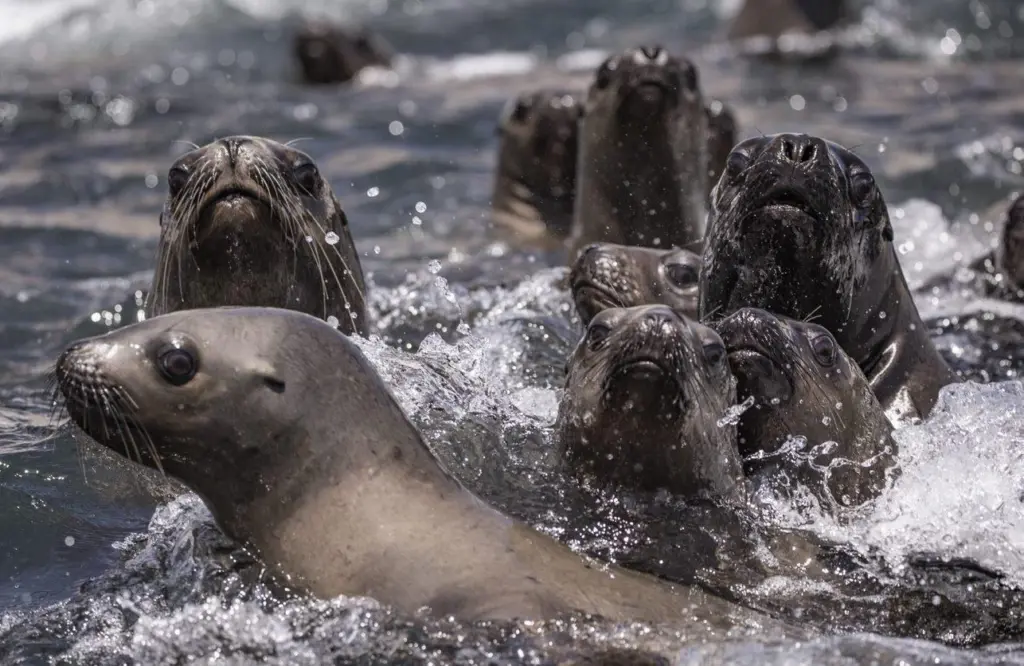
The new marine protected area is located in the 181,622 acre Pisagua Sea and is the first such multipurpose MPA of the Tarapacá region. It will directly help artisanal fishers in the region, helping support the local community and economy.
According to Oceana’s expedition findings, Pisagua Sea is rich in phytoplankton and crustaceans such as krill and prawns, making it the ideal area for larger species including fish, mammals and birds to reproduce. These findings motivated the Ministry of Environment of the Tarapacá region to lead nationwide efforts to create the Pisagua Sea MPA.
“When we learned about the scientific information that resulted from these expeditions, there was no doubt about the need to create this new marine protected area in the north of Chile, and we set forth a protection plan that was worked on in depth with the artisanal fishermen of Pisagua,” said Hector Derpich, Regional Representative of the Ministry.
Since 2017, Oceana and Universidad Arturo Prat have led four scientific expeditions in Pisagua Bay, documenting marine life at a depth of up to 800 metres.
The expedition teams found a great biomass of different fish, coral banks, deep-sea conger eels, manta rays, sharks and crabs, among many other species.
Large schools of Chilean jack mackerel and anchovies were detected, important fish stocks in Chile, as well as dense algae forests that are home to many species including the rarely sighted goldspot sheepshead.
Related Articles
 FISHERIES
 FISHERIES
 FISHERIES