



Netherlands admits widespread fisheries fraud ‘likely’
A major court case has ended with the Netherlands acknowledging it is likely fraud is likely happening across its entire fisheries sector. The admission came in a ruling from the Hague Administrative Court on 1 December 2023, with NGO ClientEarth and the Low Impact Fisheries of Europe (LIFE) organisation suing Dutch authorities for leaving the door wide open for fish fraud after information about unlawfully lax catch checking procedures came to light.
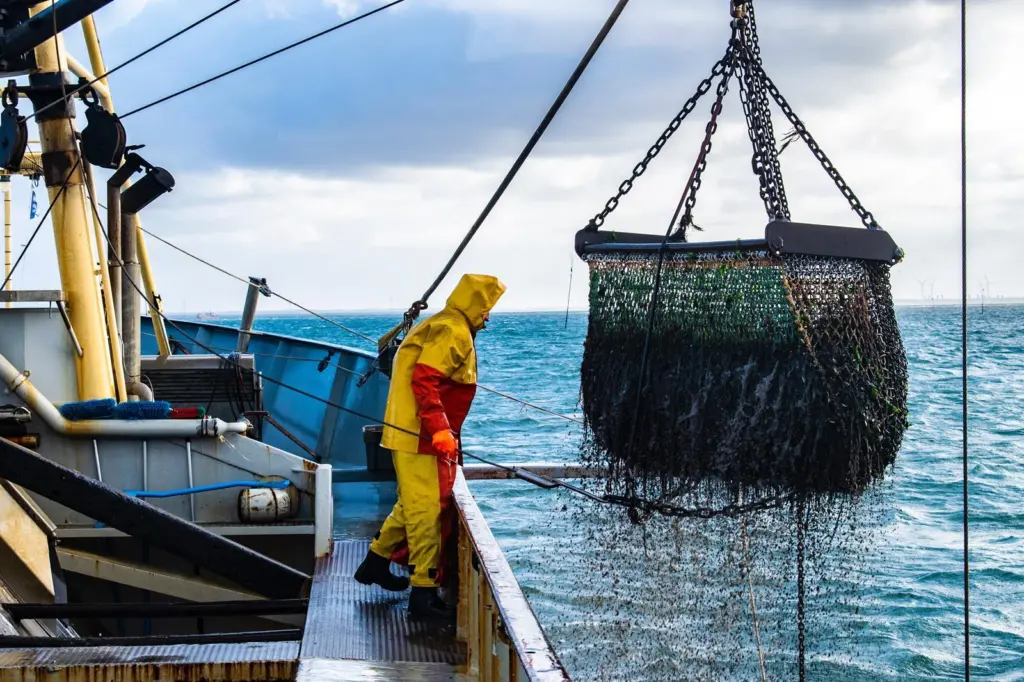
A newspaper investigation had revealed that just two individuals were responsible for making sure that thousands of tonnes of fish that comes onshore every week had been legally-caught.
Around 400 million kg of seafood come through the Netherlands’ ports each year – representing around a third of EU quotas for the bloc’s most popular stocks.
ClientEarth and LIFE insist a cornerstone of the EU’s fight to end overfishing is setting quotas, and weighing and documenting everything that comes on shore to ensure fleets are sticking to them. But they say structural failures by the Netherlands food and consumer safety authority NVWA mean illegal seafood could be entering the market on a large scale – thereby jeopardising ocean protection and risking illegally-caught fish ending up on consumers’ plates.
“This news is relevant to every single person in the EU,” ClientEarth Fisheries Lawyer Nils Courcy said. “It’s about the very real possibility that the NVWA, supported by EU taxpayers’ money, has allowed illegal fish to arrive on EU dinner plates and put the fight against overfishing in jeopardy. We put immense trust in authorities to make sure what we are buying and eating has not caused illegal harm to people and nature. Cases like these show that that trust can be misplaced.
“It’s also about jobs. The Netherlands’ flagrant non-compliance with fishing rules that dictate the survival of the fishing industry is as shortsighted as it is inexcusable. If you want secure jobs, you need to save your fisheries. If stocks collapse, the fishing industry crumbles with them.”
Courcy added that the EU pledged to be a frontrunner in the fight to end illegal and unreported fishing with its fisheries legislation, but “lax port checks mean they are falling at the first hurdle”, and “significant quantities of illegally-caught seafood” are likely slipping through the net.
“This case hits on a core truth – laws are as good as their enforcement, and nothing without it. If a port as big as this is waving trawler-loads of seafood through with barely a question, claims of sustainable fisheries management in the EU are farcical,” he said.
At the Hague, the judge ruled the complaint brought in the case was not specific enough to allow for a ruling against the Dutch authorities, but ClientEarth and LIFE said the admissions by NVWA and government ministers over the course of the case confirm exactly what they went to court to prove.
It should now be impossible for the Netherlands not to act, they said.
“This case has once again shown that EU laws are not functioning if these are not properly enforced by member states,” LIFE Executive Secretary Marta Cavalle said.
“Illegal fishing and fish fraud has not only a huge impact on the ecosystem placing fish stocks and fisheries at risk but small-scale fishers’ activities and livelihoods, who depend on such healthy stocks, are also directly threatened, putting fleets and their communities in the Netherlands at the edge of collapse.
“It is therefore vital that the Netherlands and other EU member states use a functioning control system and show clear signs that they are committed to reversing this unfair situation,” Cavalle said.
The organisations also pointed out that the European Commission has an ongoing infringement proceeding over serious concerns with fisheries control in the Netherlands.
They also highlighted that as the cases progressed, NVWA started to put the wheels in motion on portside security improvements, promising to significantly increase the staff employed for catch control, implement a new method for port checks, and check vessels called reefers that previously fell outside of their scope.
ClientEarth has submitted legal requests for documents that would confirm the extent of the changes, and whether they would bring the Netherlands into compliance with the law. Hundreds of documents have already been released, and are being assessed by the lawyers, with many more due in the coming weeks.
“There is a legal imperative for every EU country to protect fish stocks – they are what keep the ocean alive and well, able to protect us from climate change, sustain fishing communities and feed millions. Overfishing threatens to scupper all of these vital functions and we need to see the laws designed to combat it actually enforced. That’s what this case was about. The Netherlands has held up its hands and admitted it has a major problem. Many powerful actors will now be watching to see how they move to tackle it,” Courcy said.
Related Articles
 PROCESSING & REFRIGERATION
 FISHERIES
 FISHERIES