
Maldives permanently bans longline fishing
The Maldives has confirmed it is no longer issuing longline licences turning its focus instead to local one-by-one fishers and marine conservation.
More than 100 international scientists supported a campaign led by local and international conservation NGOs, local fishers and tourism groups, co-signing a letter to the government urging it not to reissue licences.
The campaign moved the wider public, with 30,000 signatures on an Only One petition in just a fortnight.
“The Maldives government’s decision to uphold the ban on longline fishing is a testament to the power of community-driven advocacy and the strength of collective voices uniting for change,” said Carrie Hellinger, campaign manager at Only One.
“We are pleased that the government responded swiftly to the urgent call to prioritise the long-term health of the ocean and preserve our precious marine ecosystems for future generations.”
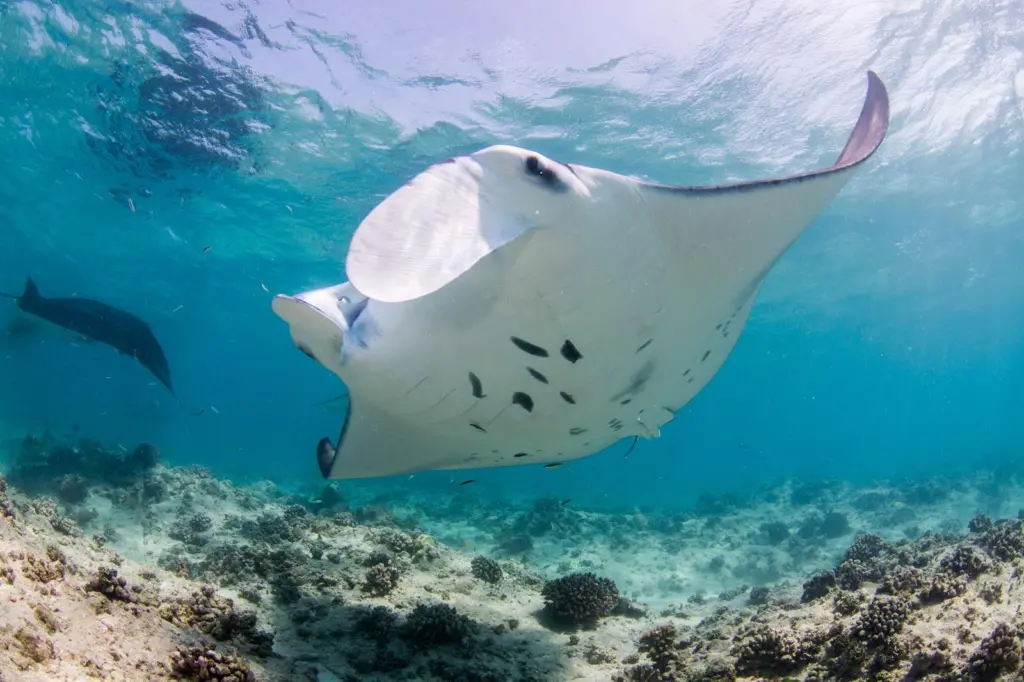
Longline fishing can endanger marine life such as sharks, turtles, manta rays and seabirds which are often caught as bycatch.
Sharks are particularly vulnerable with a 70% decline globally in the past half-century. The Maldives is one of only 17 shark sanctuaries in the world, home to 29 threatened species.
“Longlining would have resulted in the deaths of countless, valuable marine creatures, including sharks, turtles, rays and seabirds, damaging Maldives’ tourism brand and the reputation of its tuna fisheries,” said the Maldives Ocean Alliance.
“We thank the president for listening to our concerns and reversing this decision for the benefit of many, instead of a few influential groups.”
Callum Roberts, professor of Marine Conservation, University of Exeter said that one-by-one tuna fisheries were a Maldivian tradition going back hundreds of years. “Few places can demonstrate such extraordinary long-term sustainability,” he said.
“By rejecting more efficient and destructive fishing methods, the Maldives shows other countries a better route to balancing fishing income with ocean health and nature protection.”