


Longline fishing poses danger to shark sanctuary, scientists warn
International scientists have expressed concerns on the issuing of new licenses for longline fishing in the Maldives and have called on the Maldivian government to consider the serious ecological, economic, and reputational ramifications of reopening the fishery.
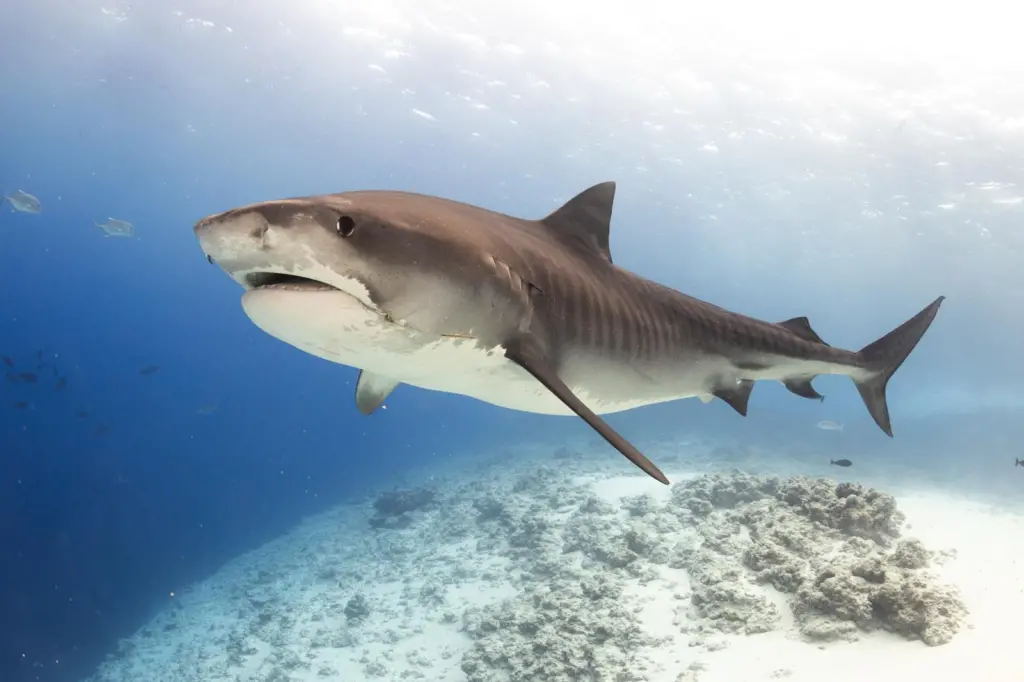
They say that longlining threatens targeted and by-catch species with overfishing, increasing pressure on already overfished tuna populations that local fishers depend on, while the Maldives’ current one-by-one tuna fishery benefits both Maldivian fishers and ocean health.
Initiated in 1985 with foreign-flagged vessels, longline fishing faced a ban in 2010 due to management issues. It was briefly reopened in 2011, but the government ceased new licenses in 2019 to address irregularities.
Locally, the Maldives Ocean Alliance, made up of business and NGOs, has partnered with the Yellowfin Tuna Fishermen’s Union to launch a petition through OnlyOne, calling on both the local and international community to raise its voice against longlining.
“Allowing longline fishing poses grave risks to local livelihoods and food security, as it could threaten crucial fish stocks. It would introduce competition that undermines the economic stability of local fishers whose livelihoods depend on sustainable fishing techniques like one-by-one,” said Shaha Hashim, Chairperson for the Maldives Resilient Reefs and member of the Maldives Ocean Alliance.
According to the scientists, longline fishing is notorious for its high by-catch rates, including vulnerable species, which could severely impact marine biodiversity and adversely affect the Maldivian tourism sector, a vital component of the nation’s economy.
They said by-catch of longlining includes threatened shark species as well as manta rays and seabirds. In contrast, traditional fishing methods such as pole-and-line have minimal bycatch rates, thus preserving marine life.
The scientists’ letter addressed to the Maldivian government, stressed concerns as: “Longline fishing can compromise food security due to the depletion of fish stocks that are crucial for the dietary needs of coastal communities. This raises a significant humanitarian concern.”
Hashim said: “Further declines in yellowfin and bigeye tuna stocks could affect the livelihoods of traditional one-by-one fishers, who would face competition from groups capable of catching large quantities through longlines. The draft regulation allows for shark bycatch to be landed, a move that threatens the Maldives’ status as a shark sanctuary. Sharks, which have seen a decline of over 70% in the past 50 years, are crucial to fisheries, tourism and ocean health.”
The scientists backing the #AgainstLonglining campaign which has been launched by the Maldives Ocean Alliance and Yellowfin Tuna Fishermen’s Union, include Professor Callum Roberts, a marine conservation biologist with the University of Exeter and Daniel Pauly, a marine biologist and one of the most cited fisheries scientists in the world.
Roberts commented: “The Maldives is a global leader in ocean conservation, having protected its waters from fishing for sharks, manta rays and turtles since 2009. Resuming longline fishing would be a highly efficient way to decimate iconic ocean wildlife and squander that hard-earned reputation.”