



Environmental campaigners, fishing groups and retailers are urging the European Union to take action on harmful drifting fish aggregating devices (FAD) used by the EU tuna fleet in the Indian Ocean.
Campaigners say there are strong links between dwindling tropical tuna stocks and the high numbers of juvenile tuna caught around drifting FADs. A recent study showed that 97% of the yellowfin tuna caught around drifting FADs in the Indian Ocean are juveniles, putting the future of the species at risk.
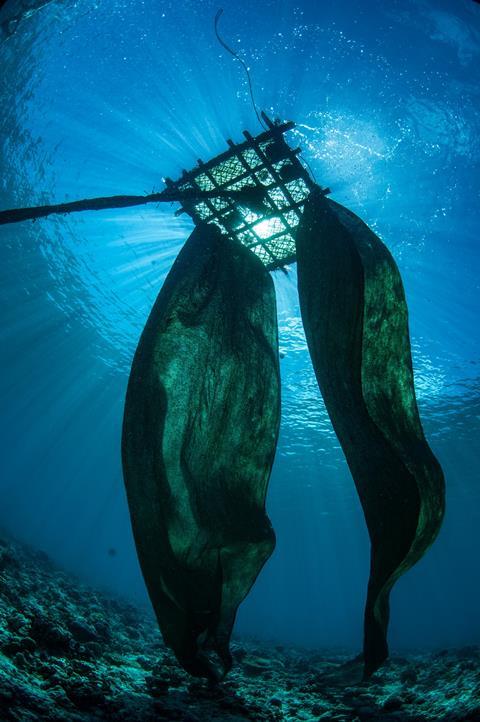
Other concerns with the drifting FADs are around bycatch, pollution, environmental damage and ‘ghost gear’- lost or abandoned fishing equipment.
The 120 organisations are therefore supporting a letter to the European Commission, the Directorate-General for Maritime Affairs and Fisheries (MARE), all Heads of State of the European Union and the EU Committee on Fisheries and include Marks & Spencer, the Blue Marine Foundation and the Fédération des Pêcheurs Artisans de l’Océan Indien.
The letter comes ahead of a Special Session of the Indian Ocean Tuna Commission (IOTC) that begins today in Mombasa, Kenya which Martin Purves, IPNLF’s managing director, who will be attending, sees as a real chance for progress.
‘Lack of transparency’
“This upcoming Special Session of the IOTC provides an important opportunity for the EU to act responsibly,” he said.
“The lack of transparency in how these fishing operations are conducted, the lack of responsibility taken by FAD owners for the damage caused to sensitive ecosystems by these devices and the overall lack of effective management of drifting FAD fishing operations all needs to be addressed as a matter of urgency,” he said.
Campaigners say in 2021 and 2022 the EU pushed back attempts to improve FAD management, arguing that there is a lack of scientific data to support increased measures. The letter points out that this approach contravenes both Article 6 of the UN Fish Stocks Agreement and the Common Fisheries Policy.