






Don’t blow whiting op
With talks set to take place in London over new quota sharing arrangements for Northeast Atlantic blue whiting, Skretting, Cargill and BioMar, some of the main global buyers of the species, are calling for the coastal states fishing this stock to scale back their allocations, warning that they will stop purchasing it if the appropriate actions are not taken.
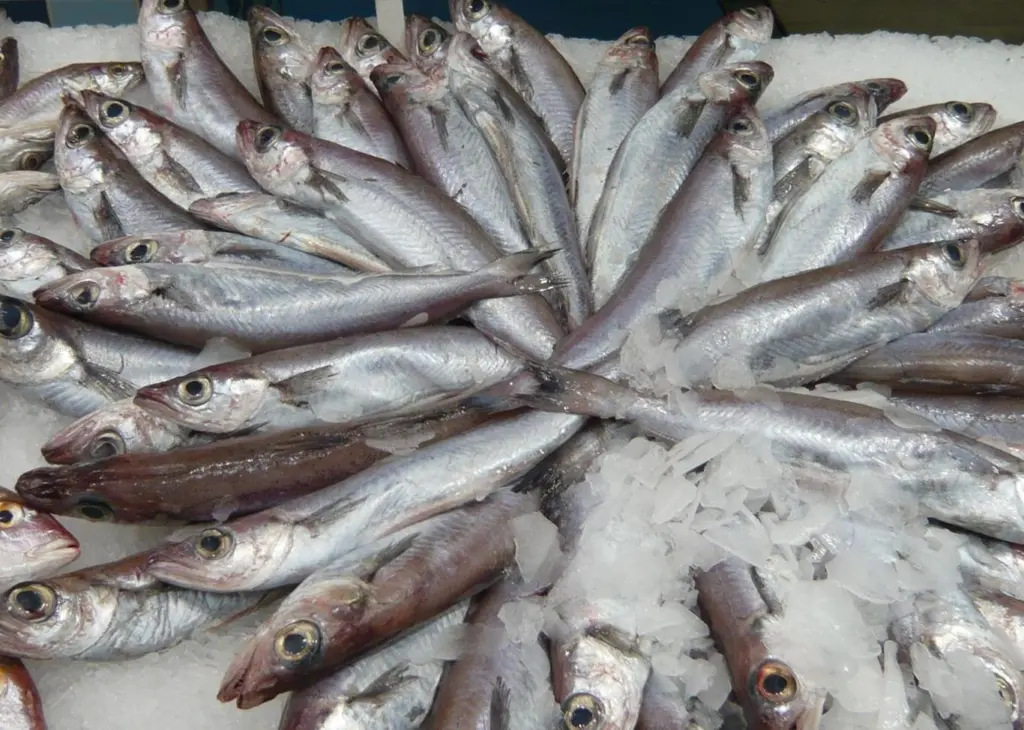
Predominantly used for fish oil and feeds for salmon aquaculture, blue whiting was stripped of its Marine Stewardship Council (MSC) certification in 2020. This led to the loss of its MarinTrust certification, which authenticates the sustainability of marine ingredients.
The North Atlantic Pelagic Advocacy Group (NAPA), a collective of some 60 global seafood businesses including Cargill, Skretting and BioMar, highlights that coastal states have continued to engage in overfishing, with the blue whiting stock fished above sustainable levels by 30% in 2021 and 47% in 2022.
Cargill Sustainability Programme Lead Dr Dave Robb said the spotlight is on aquaculture to develop sustainably and a key part of that requires sustainably-managed feed ingredients.
“Fisheries around the world are under pressure and we should be able to look to the European coastal states for leadership on responsible and sustainable management of shared fisheries resources such as Northeast Atlantic blue whiting, mackerel and herring – especially when the premiers of three of the states are represented in the High Level Panel for a Sustainable Ocean Economy.
“Blue whiting has been a key part of the development of a sustainable aquaculture sector in Europe – especially the salmon sector in Norway. But Norwegian fish farmers have already shown that they would not buy fishmeal from blue whiting which is not responsibly managed across the fishery. Now is the time for the governments from the coastal states to act and show leadership for sustainable fishing,” Robb said.
NAPA is calling for action, advising that its partners want to see the coastal states put aside their politics, take cooperative steps to agree on quota shares that follow scientific recommendations, and commit to long-term fisheries management plans.
To accomplish this, it has established a blue whiting fishery improvement project (FIP) – a blueprint to guide political action towards responsible decision-making that champions sustainable stocks.
“When the MSC certification for blue whiting was withdrawn in 2020, we publicly recorded that we stopped buying material from blue whiting caught after that date. Establishing a fishery improvement programme through the North Atlantic Pelagic Advocacy Group provides a highly credible way for regulators, fishing associations and fishers to engage to find a solution that delivers a long-term solution for sustainable management of shared stocks. We call on all stakeholders to engage actively and sincerely in the progress in line with broader commitments to ocean stewardship as part of a sustainable economy,” Robb said.
Cargill, Skretting and BioMar have publicly committed to cease sourcing from the fishery if the coastal states fail to put sustainability first.
BioMar states, “If the FIP should fail, we will stop purchasing blue whiting as we, our customers, and stakeholders follow the highest ethical and sustainability standards. It is vital that an agreement on the distribution of quotas can be achieved, and we urge the coastal states to find a resolution promptly to avoid any potential risks of overfishing and therefore failure of the current FIP.”
Skretting’s Manager of Sustainability and Public Affairs Leif Kjetil Skjæveland said the aquafeed company wants to continue to use blue whiting as a raw material, but only do so if the fishery is well managed.
“The lack of progress among the coastal states might cause us to stop using blue whiting, and this is in a time where locally sourced food and sustainable raw materials are more important than ever. So, to the governments in the coastal states: please start talking to each other and work out an allocation. This ball is too important to drop.”
In October 2022, the latest scientific advice for blue whiting was published. It found that high levels of recruitment into the fishery last year has led stock numbers to boom – estimated to be at a historical high. Consequently, the scientific advice for the catch in 2023 is 81% higher than in 2022.
NAPA advocates that the boom in blue whiting numbers offers “a golden opportunity” for the coastal states to take that smaller slice and scale back their allocations. It suggests they could take advantage of the current stock size and adopt a more precautionary approach and opting for a sustainable TAC level – without having to cut their catches.
Dr Tom Pickerell, NAPA Project Lead, said the collective has calculated that each state could lower its allocation by 23% to ensure that the sum of all allocations is no more than 100%.
“Because of the increase in the scientific advice, such a reduction would still actually result in an increase in catch for each state of approximately 12%. It’s a win-win,” Pickerell said.
Related Articles
 FISHERIES
 FISHERIES
 FISHERIES