



DNA shows who eats whom
A team of scientists from the AZTI Technology Centre has developed a novel way of better understanding the interdependency of fish species.
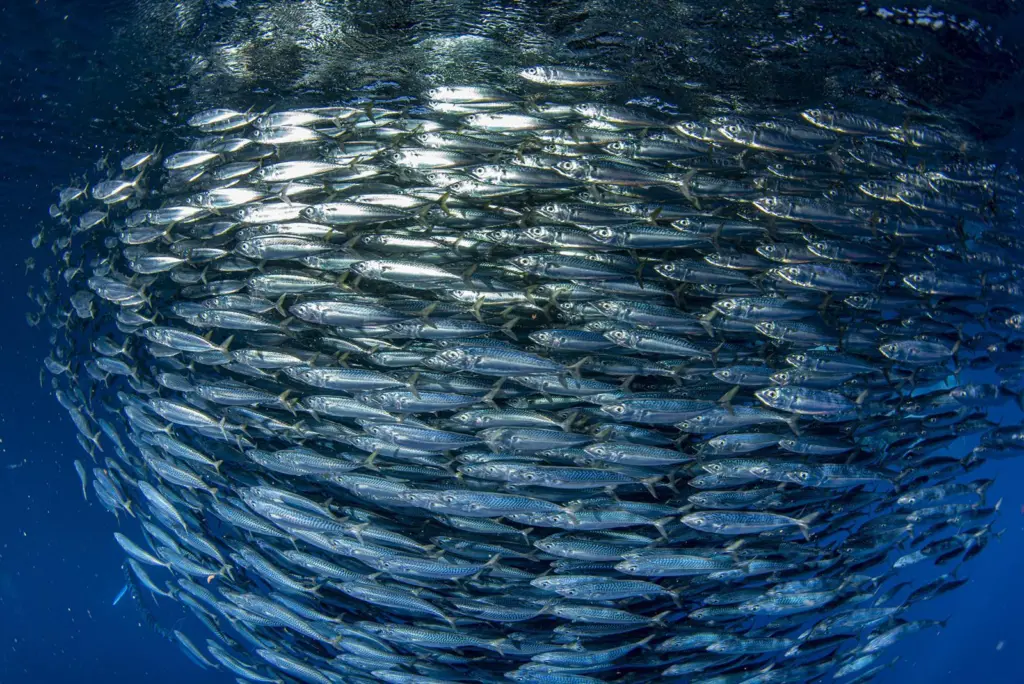
Fisheries management is increasingly looking at a more holistic approach to stock sustainability, considering not only abundance of fished species but also how these interact with other species, namely who eats and competes with whom.
“Increased knowledge on the trophic relationships between marine organisms will facilitate the application of ecosystem-based approaches to fisheries management, ultimately ensuring a sustainable exploitation of marine ecosystems and resources, of high-value for the economy and the fisheries sector,” said Oriol Canals, a marine genetics expert at AZTI.
Who eats whom has historically been determined by visually examining stomach contents – a time-consuming and often difficult task which requires a high level of species expertise.
To combat this, researchers at AZTI have developed a way to tell five Bay of Biscay species apart using DNA from the stomachs of fish. The method, which is being used for anchovy, sardine, hake, horse mackerel and mackerel but can be easily adapted to other species, not only removes the need to visually sift through stomach contents, it means that hundreds of samples can be simultaneously analysed.
“Our method represents a precise and reliable way to collect information on who eats whom and with what preference in the ocean, key data to increase our knowledge on the trophic structure of marine ecosystems,” said Canals.
Tests have shown that the genetic analysis is highly precise and outperforms visual inspection by identifying a wider range of prey, including fast-digesting prey such as jellyfish, usually overlooked by visual analysis.
The research, led by the Technology Centre, has been funded by the European Framework Programme for Data Collection and the Basque Government’s Department of Agriculture and Fisheries through the GENGES project.
Related Articles
 FISHERIES
 FISHERIES
 FISHERIES