



2023 EU catches adopted
Next year’s fishing opportunities for the fish stocks exclusively managed by the EU in the Atlantic Ocean, Kattegat, and Skagerrak, including deepsea stocks for 2023 and 2024, have been agreed by the EU Council of Fisheries Ministers, AGRIFISH.
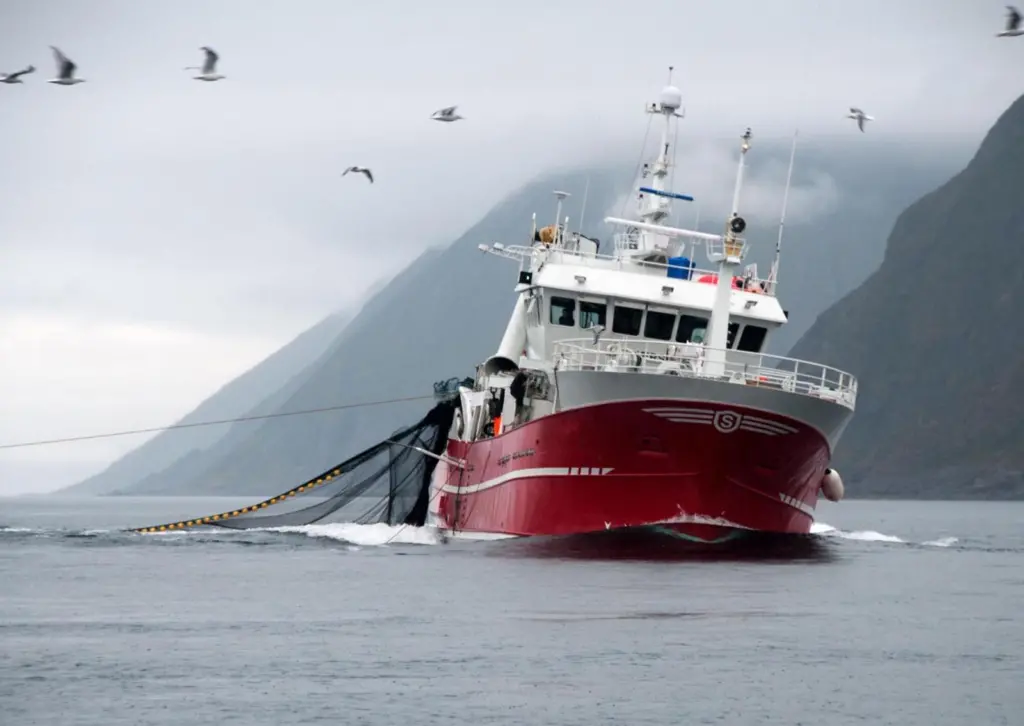
The new arrangement includes 27 total allowable catches (TACs) for the fisheries operating on stocks managed solely by the EU, as well as strengthened measures to address the critical state of eels.
TACs for stocks shared trilaterally with Norway and the UK were also set by the Council, as were preliminary limits for stocks shared bilaterally with the two countries.
EU Commissioner for the Environment, Oceans and Fisheries Virginijus Sinkevičius said the decisions showed the EU is at the forefront of sustainable fisheries management.
“I am very pleased that member states have followed the Commission’s proposal for most stocks,” he said. “By agreeing to set fishing opportunities in line with the scientific advice from the International Council for the Exploration of the Sea (ICES), we continue our efforts to manage our stocks at healthy levels.
“I also welcome that Council has made progress to address the critical status of eels with a six-month closure of marine catches and a total prohibition of recreational fishing,” he said, but added that “there is still some room for improvement”, particularly regarding precautionary stock advice.
As proposed by the European Commission, the Council set 10 TACs in line with maximum sustainable yield advice (MSY) advice.
In the Kattegat, because of the worrying state of cod, the TACs for plaice and Norway lobster have been set in the lower range of MSY. The Council also agreed on a limit of 97 tonnes for unavoidable catches of cod taken in other fisheries, as well as an additional allowance for fishers using cameras for real time monitoring during fishing activities.
In the Bay of Biscay and the Iberian waters, and within the MSY range, the Council agreed to a 10% increase of the hake TAC. In addition, the anglerfish TAC is raised by 12% and the megrim TAC by 33%. In the Bay of Biscay, there’s a 19% increase of the Norway lobster TAC.
For horse mackerel in Iberian waters, a 12% increase has been agreed. For anchovy in the Bay of Biscay, a provisional TAC has been agreed, pending the publication of the scientific assessment due after the AGRIFISH Council and allowing fishing activities to continue.
According to the Commission, the 2023 agreement represents a value of €3.5 billion for 187 EU fleet segments with significant fishing activity in the Skagerrak and northeast Atlantic. These fleet segments include 15,635 active vessels and employ 30,800 full-time fishers belonging to 1,190 EU fishing communities.
The Commission also highlighted that for the first time, the agreement could lead to a substantial increase in landings in the Atlantic and North Sea in 2023. This could translate into an overall increase of €81 million in the value of landings, compared with 2022.
TACs for the stocks the EU shares trilaterally with the UK and Norway states were also agreed, with all TACs set at MSY.
Since the consultations regarding stocks shared bilaterally with the UK and with Norway are still ongoing, the Council adopted preliminary contingency TACs for those stocks for the first three months of 2023. Contingency TACs are generally set at 25% of the 2022 TACs.
TACs for the Atlanto-Scandian herring, blue whiting, and mackerel for 2023 have been set in line with the share of the overall fishing opportunities agreed with the coastal states.
Meanwhile, given the critical stock status of the European eel, the Council also agreed to extend the current closure at sea from three to six months to coincide with the juvenile eel migration and mature eels swimming between the sea and rivers.
Related Articles
 FISHERIES
 FISHERIES
 FISHERIES