



Record biology in the Faroes drives down costs as Bakkafrost eyes sustainable growth
Bakkafrost reported a total operational EBIT of DKK 22 million in the third-quarter of 2025 (DKK 173 million in Q3 2024), as strong biological results in the Faroe Islands offset weak market prices and biological setbacks in Scotland.
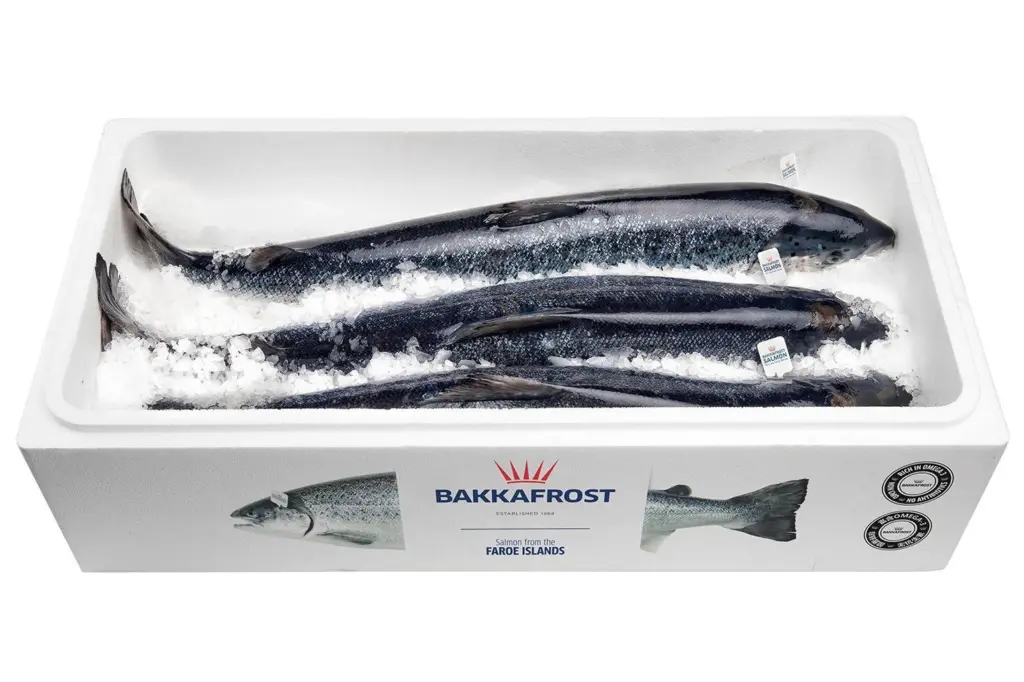
Revenues in the Faroese segment totalled DKK 1.4 billion, generating an operational EBIT of DKK 227 million, compared with DKK 310 million a year earlier. Scotland, by contrast, posted a DKK 205 million loss (Q3 2024: –138 million), reflecting a disease outbreak at the Portree farming site.
CEO Regin Jacobsen said Bakkafrost was “not satisfied” with the quarter’s financial outcome but highlighted “record survival, strong growth, and the best biological results ever achieved” in the Faroes. Farming costs there continued to decline sharply — down 12% year-on-year in Q2 and a further 14% in Q3 — driven by improved fish health, larger smolt, and more efficient operations.
In Scotland, the company said performance was “stable at most farming sites” before the September outbreak of Pasteurella bacteria at Portree. However, its Applecross hatchery has now stabilised under new management and is producing larger, more robust smolt to support future growth.
Jacobsen expects the global salmon market to strengthen as supply growth slows and demand for high-quality fish remains firm. “Despite financial headwinds, the strong biological foundation across the group positions Bakkafrost well for the future,” he said.
The company harvested 30,678 tonnes of gutted weight salmon across both regions in the quarter, up from 27,029 tonnes in Q3 2024. Faroese harvests rose to 25,392 tonnes, while Scottish volumes slipped to 5,286 tonnes.
Bakkafrost has also continued to invest heavily in biological resilience and capacity expansion. Construction of a major new hatchery in Skálavík remains on track for completion in late 2026, increasing smolt capacity to 24.4 million fish. In Scotland, site optimisation and a new harvest facility are planned, while vessel upgrades have improved smolt transfer efficiency.
The company reaffirmed its full-year harvest guidance of 104,000 tonnes for 2025, with 82,000 tonnes from the Faroe Islands and 22,000 tonnes from Scotland. For 2026, output is projected to rise to 112,000 tonnes.
Looking further ahead, Bakkafrost’s DKK 5 billion investment programme for 2026–2030 aims to boost efficiency, lower biological risk, and expand sustainable production to 162,000 tonnes by 2030.
Related Articles
 BUSINESS & FINANCE
 AQUACULTURE
 ICELANDIC FISHERIES EXHIBITION