



New cookbook looks to debunk aquaculture myths
A new publication that guides readers through Mediterranean and Black Sea aquaculture – highlighting its benefits and demystifying the sector – has been published by the General Fisheries Commission for the Mediterranean (GFCM) of the Food and Agriculture Organization of the United Nations (FAO).
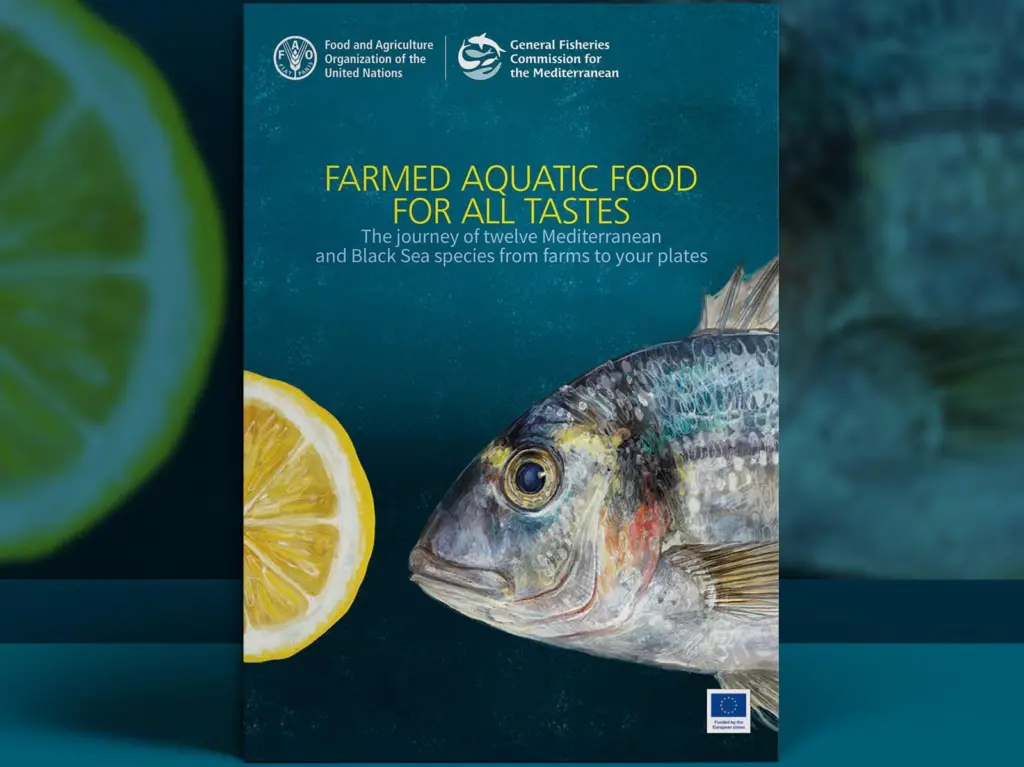
The cookbook, “Farmed aquatic food for all tastes: the journey of twelve Mediterranean and Black Sea species from farms to your plates”, showcases the culinary traditions, recipes and gastronomic value of 12 farmed species, each one chosen for its popularity, history, importance and potential in the region.
Each chapter pairs the story of a successful, pioneering aquaculture producer making waves in the region with a recipe presented by a young chef from France’s Institut Lyfe Research and Innovation Centre (formerly Institut Paul Bocuse Research Centre).
“By showcasing the efforts and dedication put into producing healthy and sustainable aquatic food for all tastes and budgets and promoting the participation of responsible young producers, entrepreneurs and chefs in this journey from aquaculture farm to plate, the GFCM aims to open up to the consumers of today and tomorrow” GFCM Executive Secretary Miguel Bernal said.
Institut Lyfe Research and Innovation Center Director Agnès Giboreau said the project is “a wonderful opportunity” to profit from culinary expertise towards the promotion of farmed aquatic foods of the Mediterranean and the Black Sea.
“It is also a great example of collaborative work where young talents have been able to express themselves within a multidisciplinary and multicultural team,” she said.
According to GFCM, some 35,000 farms are engaged in aquatic food farming operations across the Mediterranean and Black Sea, with the sector directly or indirectly employing more than 500,000 people in the region.
Related Articles
 SEAFOOD
 AQUACULTURE
 SEAFOOD