


A pioneering salmon farming project in Wester Ross is turning fish waste into a valuable forestry product, backed by GB£630,290 from Highlands and Islands Enterprise (HIE).
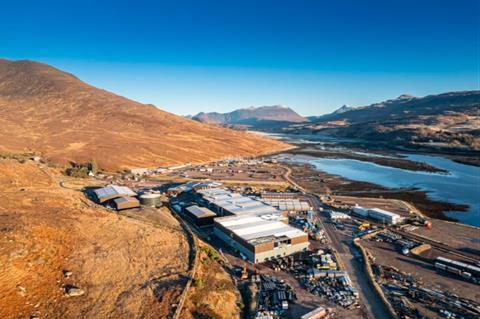
Led by Bakkafrost Scotland, the GB£2.5 million initiative is the first in Scotland to use pyrolysis to recycle aquaculture waste into biochar — a carbon-rich material that enhances soil health and supports sustainable land use.
“We welcome this innovative project that turns what was a waste stream into a product that enhances the natural environment,” said Alastair Nicolson, HIE’s area manager for Lochaber, Skye and Wester Ross.
“It also reduces the volume of waste that needs to be transported out of the area.”
Sustainability drive
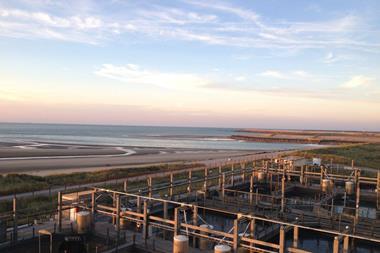
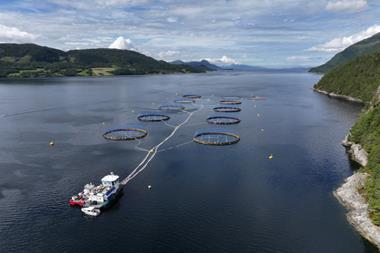
Bakkafrost’s hatchery in Kishorn uses a recirculating aquaculture system (RAS) to raise smolts, capturing fish waste in a controlled environment.
Instead of discarding this material, the company will process it into biochar using pyrolysis, supporting recycling waste efforts while advancing sustainability goals.
“In a RAS facility like our Applecross site, waste materials are traditionally discarded,” said Ian Laister, managing director at Bakkafrost Scotland.
“Now, we can convert that waste into fertiliser for forestry. The pyrolysis system delivers on our sustainability goals, creating a circular economy of production.”
The facility is expected to be operational by the end of 2025, helping further position Scotland’s salmon farming sector at the forefront of green innovation.
It’s a move which aligns with national efforts to reduce environmental impact and champion circular economy principles across aquaculture and beyond.