



European aquaculture boosted as blue economy investments increase
There’s been a marked increase in the investments made in the blue economy in recent years, according to the new EU BlueInvest Investor Report 2024, with its findings showing that an investment ecosystem to support innovation is taking shape.
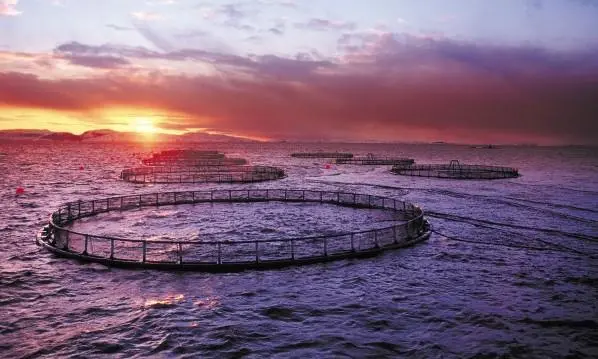
The BlueInvest initiative has been a driving force behind these changes that span fisheries, aquaculture, coastal tourism, shipping and ports, offshore renewable energy and biotechnology, said the European Commission.
Blue renewable energy, blue tech and ocean observation and aquaculture have been the three most dynamic sectors, advises the report. At the other end of the spectrum, sustainable coastal and maritime tourism as well as environmental protection and regeneration have closed fewer deals.
With regards to aquaculture, it states the sector generates a relatively high number of deals and receives more growth-stage investments aligned with the recognised growth potential of SMEs in this high-profile sector. It also gathers the second highest number of investors.
“Due to its strong potential, the sector is seeing an encouraging influx of young companies, which is reflected in the growing share of early-stage financing,” it said.
However, purely fisheries-related deals with a sustainable dimension are relatively scarce (about 60 out of about 430 deals), which the report says may reflect “a weak innovation dynamic and lower investor interest” compared to aquaculture.
It notes that over the past 20 years, the vast majority of deals in aquaculture and fisheries (combined) occurred in the EU (72.7%), in line with the other sectors, while 27.3% of deals were closed in non-EU countries, mostly in Norway, followed by the UK.
Norway’s strong aquaculture and fishery ecosystem explains why this country represents 20% of deal activity on its own over the past five years, it said.
Meanwhile, the majority of EU deals since 2018 have been concentrated in the four countries of Denmark, France, Spain and the Netherlands, all of which have a strong historical presence in the sector. Overall, the EU remains the 5th largest fisheries and aquaculture producer worldwide, accounting for 3% of global production, from which 22% comes from aquaculture. By comparison, China is ranked first with a share of 39%.
Over the last 20 years, disclosed investments in the aquaculture sector have reached €1.5 billion, representing 10% of capital deployed in the blue economy.
Overall, the report finds the volume of disclosed investments in the blue economy is three times larger than it was 10 years ago, reaching more than €13 billion over the five-year period between 2018 to 2023.
Since 2018, about 270 deals have been closed every year in the blue economy, with the report ascertaining that at least 30 private equity/venture capital funds are focused on blue economy deals, and the number is growing. Furthermore, some 75% of European blue economy deals occur within the EU, with half of the investors coming from non-EU countries, with the report determining that this shows EU companies are creating substantial business opportunities that attract investors from other regions.
In terms of the number of deals, mergers and acquisitions represent about 38%, followed by early-stage equity investments (34%), ahead of growth-equity investments (11%), and grants (7%).
This suggests a limited average level of maturity of the blue economy sector overall, particularly given the relatively modest amounts being invested into growth-stage companies, advises the report.
The EU’s blue economy generated a total turnover of €523 billion in 2020. It provides at least 4.5 million direct jobs and countless more indirect and sub-contracted forms of employment, many in regions where there are few alternatives.
Related Articles
 AQUACULTURE
 SEAFOOD
 SEAFOOD