


An amendment to US laws banning imports of EU caviar to the United States has sparked worries with the Federation of European Aquaculture Producers (FEAP).
All sturgeon species fall under the Convention on International Trade in Endangered Species of Wild Fauna and Flora (CITES), which regulates the trade of these species and their derivatives like caviar. With the objective to protect wild specimens of these species in the natural environment, the only international trade of sturgeons (and their caviar) is with farmed specimens raised in captivity.
However, in a press release, FEAP advises that some weeks ago it learned that the United States Fish and Wildlife Service (USFWS)intends to add two amendments to its Endangered Species Act legislation (ESA) aiming to ban the trade and the presence of the five European species of sturgeons (Acipenser schrenkii, Acipenser stellatus, Acipenser gueldenstaedtii, Acipenser nudiventris and Acipenser persicus) and their derivatives on United States soil.
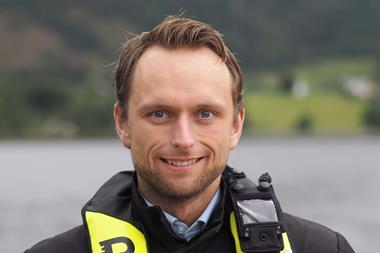
Chair of the FEAP Sturgeon Commission Benoît Thomassen said this modification of the legislation is based on the state of the wild stocks of these species and fails to take into account the existence of farmed specimens that are “perfectly traceable and distinguishable” from wild sturgeons.
“Moreover, it also negates all the efforts undertaken by numerous sturgeon farmers in Europe, and in the world, that contribute to efforts to reintroduce these species in the wild, by maintaining broodstock and rearing fingerlings for restocking in the natural environment,” he said.
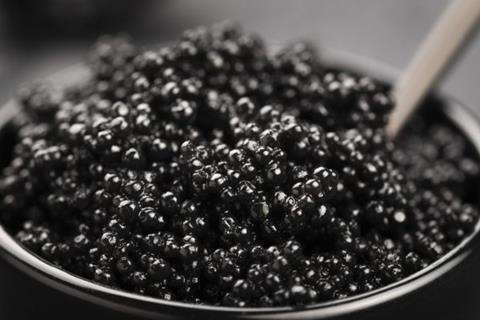
FEAP said that if these amendments are signed, their inaccurate interpretation of the situation will completely block the trade of EU caviar by preventing the many European producers from exporting to the United States, besides putting an end to the US national production of these species.
The US market represents 23% of EU caviar exports and about 15% of the global caviar market, according to EUMOFA’s “The Caviar Market” report of 2021.
FEAP warned that besides the direct consequences of this ban, all caviar currently sold on the US market today, and which will not be able to be sold tomorrow, will be driven to the EU, which is the main world market.
This, it said, will put enormous pressure on the caviar supply, adding to that of Chinese caviar (representing 66% of the caviar sold in the US market), already arriving at very low prices in the EU market, and therefore further reducing prices.
“If this was to materialise, it would have huge negative consequences for European caviar producers, and also for the entire caviar market,” Thomassen insisted.
These amendments, which FEAP believes go against bilateral trade agreements between the EU and the United States, are based on a wrong principle: The banning of those products from the referred sturgeon species will not provide any improvement to natural wild stocks as they originate from aquaculture, as explained above.
The FEAP has reached out to the European Commission to make it aware of the situation, besides sharing the concerns with the authorities in member states and encouraging them to react swiftly in front of the US authorities to influence the amendment process and persuade them to make a distinction between wild and farmed sturgeons and their caviar.