




Bakkafrost has reported unsatisfactory financial results for the third quarter, primarily due to ongoing low salmon prices.
The period was further impacted by a strike in May and unplanned harvests from farming site A-19, which experienced a setback following the detection of the ISA virus in two pens.
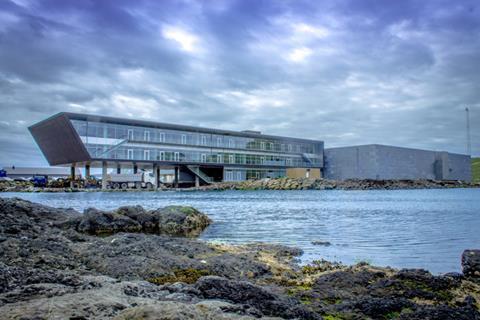
“We are not satisfied with our financial results this quarter, said chief executive, Regin Jacobsen.
“The strike in May combined with unplanned harvest of A-19 impacted negatively our ability to adapt to market needs to optimise market value for our products.
“We are, however, very pleased with the effective response and our strong procedures, which successfully contained the virus.”
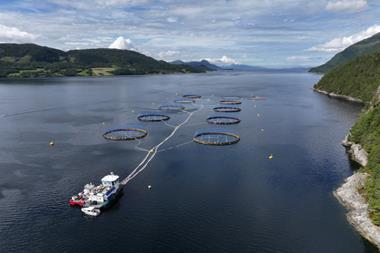
In the Faroe Islands, the company reported strong biological performance, marked by robust growth, low mortality and increased harvest weights.
“Our hatcheries have also delivered excellent operational results, enabling us to increase our smolt transfer expectations for this year, with further increases planned for next year,” said Jacobsen.
In Scotland, the company’s de-risking strategy appears to be paying off. Mortalities have dropped by over 80% from the previous year, harvest weights are up and sea lice levels have reached all-time lows. Production at the Applecross hatchery is going well, with plans under way to start transferring 200g smolt in Q4 and exclusively transfer smolt above 200g.
Outlook
Looking ahead, the company is focusing on cost management and adjusting operational capacity. This includes the planned closure of the Marybank processing facility by July 2024.
While the market for salmon remains weak, the company anticipates better price conditions in the first half of 2025 owing to a potential supply shortage of high-quality salmon.
“Our expected harvest next year is 100,000 tonnes, of which we plan to allocate around 15% for value-added products contracts,” said Jacobsen.
The long-term goal of the board of directors is that 30-50% of earnings per share will be paid out as a dividend.