



ASC Feed Standard turns three
The Aquaculture Stewardship Council (ASC) is celebrating three years since the implementation of the ASC Feed Standard, marking a period of rapid growth and increasing engagement across the global aquafeed sector.
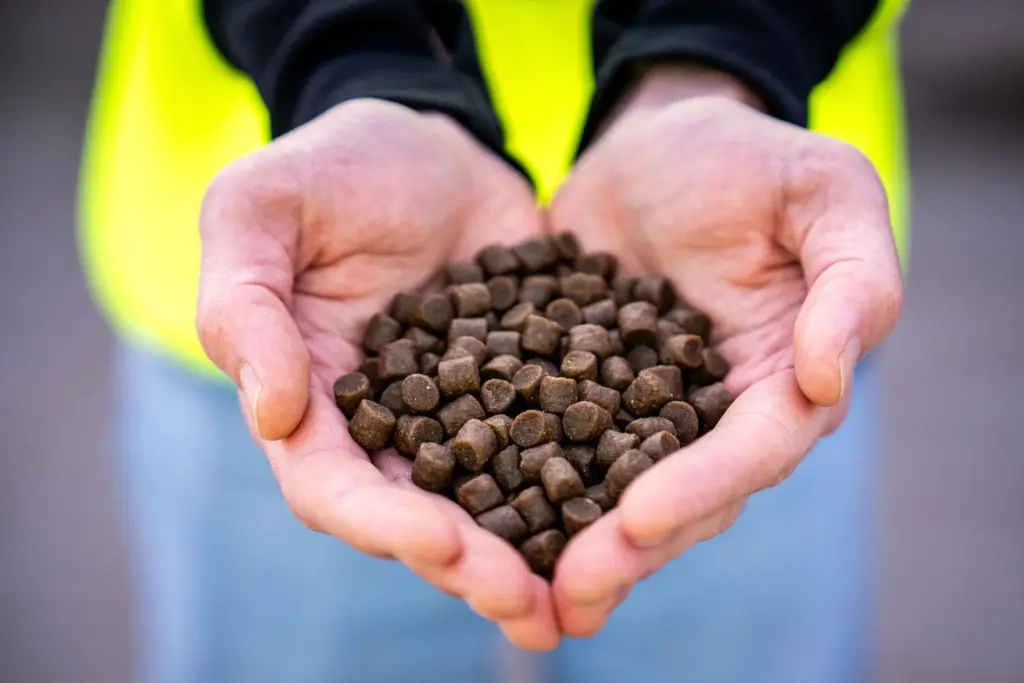
Since January 2023, uptake of the standard has accelerated, with 91 ASC-certified feed mills operating across 28 countries as of 12 January 2026.
“Feed is one of the most powerful levers for change in aquaculture,” said Aisla Jones, Feed Engagement and UK Markets manager at ASC.
“The progress of the ASC Feed Certification Programme over the past three years shows what is possible when collaboration sits at the centre of sustainability efforts.
“From feed mills to ingredient producers, fisheries and certification partners, the programme is helping align expectations and create credible pathways for improvement across complex global supply chains.”
The Feed Certification Programme underpins ASC’s wider vision of delivering positive impact across aquaculture and addresses key challenges including deforestation and land conversion, IUU fishing, overfishing and forced labour.
A defining feature of the standard is its improvement model for marine ingredients, requiring feed mills to source from progressively better-managed fisheries. MarinTrust and the Marine Stewardship Council, both ISEAL Code Compliant members, act as key stepping-stones within this mechanism.
Two major milestones were reached in the second half of 2025. From 31 October 2025, ASC-certified farms were required to use ASC-conforming feed from certified mills and on 19 December 2025, ASC published Feed Standard V1.2 and the updated Feed Interpretation Manual which becomes mandatory on 2 February this year.
Throughout 2026, ASC says it will continue engaging with ingredient producers and supply chain partners across marine, plant and emerging sources such as insects and algae.
Related Articles
 BUSINESS & FINANCE
 AQUACULTURE
 ICELANDIC FISHERIES EXHIBITION