



Science leads the way: ISSF annual report highlights tuna fishing achievements
The International Seafood Sustainability Foundation (ISSF) has released its 2024 annual report, “Science Leads the Way”, putting a spotlight on the organisation’s global efforts to drive sustainability in tuna fisheries through science-based solutions, industry engagement and policy advocacy.
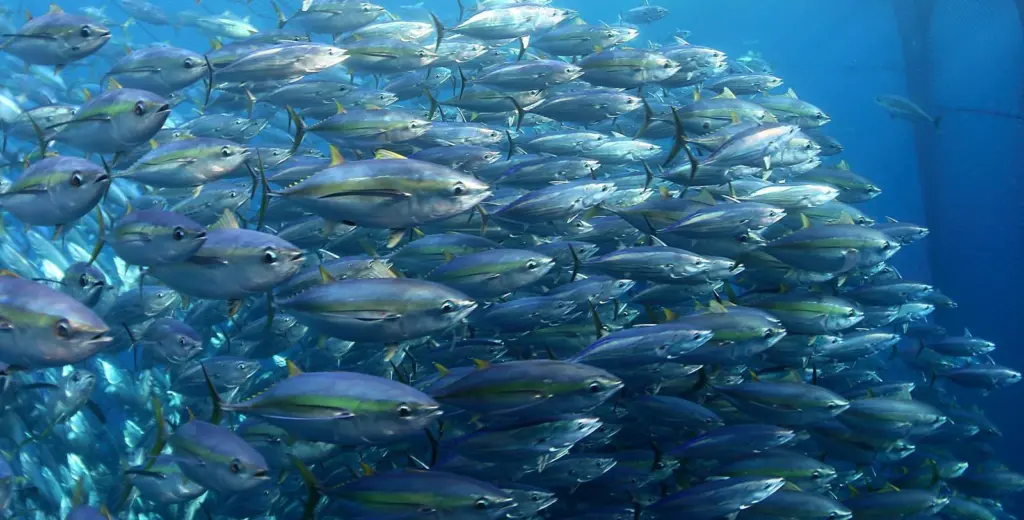
With nearly half of ISSF’s budget dedicated to science in 2024, the report details a year of research milestones, collaborative partnerships and field-level impacts – efforts collectively aimed at ISSF’s ultimate objective: helping tuna fisheries to meet and maintain the Marine Stewardship Council (MSC) standard criteria.
“ISSF uses the power of the scientific process to illuminate ways to continuously improve sustainable tuna-fishing policies,” ISSF President Susan Jackson remarks in the report. “In the big picture of fishery sustainability, solution-oriented science is essential for sound policy. Our research can have the most impact when RFMOs and government agencies are able to leverage it to enact optimal conservation measures for fisheries.”
Science Leads the Way reviews ISSF’s continued global collaborations, marine research projects and advocacy efforts to identify and promote best practices in tuna and ocean conservation with fishers, tuna companies and tuna regional fisheries management organisations (RFMOs).
The report also covers ISSF’s activities with peer environmental NGOs and scientific agencies and highlights its work to promote verified accountability in sustainability commitments across the tuna supply chain.
Jackson said: “The work that ISSF is so fortunate to do depends on a global community – conservation-minded fleets, progressive seafood companies and retailers, persevering researchers, innovative manufacturers, dynamic NGOs, and committed RFMOs and governments –cooperating across continents to protect ocean resources.”
The 2024 highlights include:
- Electronic monitoring milestones – support of RFMOs in adopting standards for fleets to use electronic monitoring (EM), and providing resources to assist vessels in transitioning to EM technology. As of year-end, all four tropical tuna RFMOs have adopted minimum standards for EM use
- Breakthrough on Jelly-FADs – the release of a fisher construction guide for building nearly 100% biodegradable FADs – a key step toward reducing ocean plastics and by-catch risks
- Scientific output – co-authoring 16 peer-reviewed journal articles and participating in 36 coordinated research projects and 56 RFMO meetings
- Supporting sustainability certification – advancing MSC fishery certification and assessment processes for the world’s tuna fisheries by submitting 77 stakeholder submissions to 62 fisheries
- In-the-field outreach – 523 participants attended ISSF-organised or -supported fisher workshops, with sessions focusing on FAD retrieval, by-catch mitigation and best practices for longline fishers
- Global advocacy alignment – analysis of RFMO statements showed a 90% alignment between ISSF’s priorities and those of nearly 50 other environmental NGOs
Science Leads the Way also highlights increasing tuna supply chain accountability through ISSF programmes and tools for verified tuna company and fishing vessel transparency. As of year-end:
- The ProActive Vessel Register listed an all-time high of 1,739 vessel registrations, showing vessels of all gears and representing over 80% of the global large-scale purse-seine vessel fish hold volume. ISSF also reached 808 vessel registrations, a 63% year-over-year increase, on its Vessels in Other Sustainability Initiatives (VOSI) resource
- 17 of 23 ISSF participating companies achieved full conformance with ISSF’s 33 conservation measures, verified through third-party audits and publicly reported on ISSF’s website