



US and Japan focus on sustainability
Aquaculture industry experts from Japan and the United States have met to discuss the challenges faced by the industry as a result of environmental change.
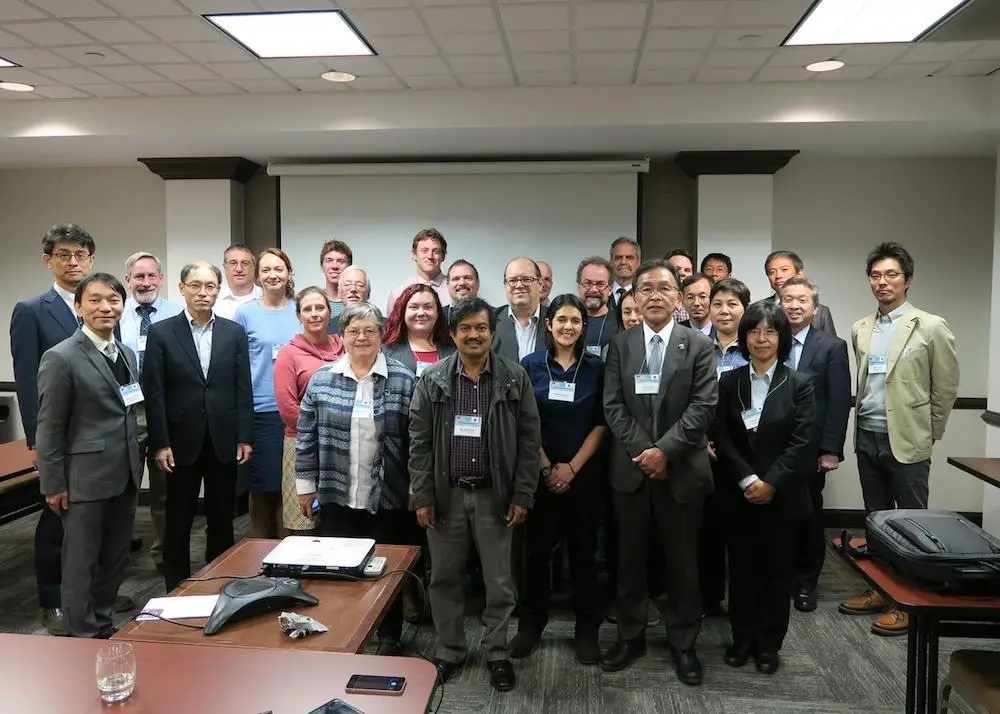
Established in 1971 and meeting annually, the US-Japan Natural Resources (UJNR) Aquaculture Panel brings together scientists from the US government’s National Oceanic and Atmospheric Administration (NOAA) Fisheries and the Japanese Fisheries Research and Education Agency. For the second time, the focus is the environment.
Mike Rust, NOAA Fisheries scientist and US chair of the UJNR Aquaculture Panel, noted that “the learning opportunities are tremendous on a number of fronts.”
“The United States is behind in both the scale of marine aquaculture and the science and technology effort to support a sustainable industry. This partnership gives US researchers a chance to understand where Japan is going in aquaculture and learn from Japan’s experience.”
Science and technology exchange
This year’s meeting included talks on ocean acidification, heat resistance, ecosystem services, aquaculture’s habitat value, and production technologies together with field trips and visits to laboratories and aquaculture farms.
Over the years, UJNR has produced quite a few successes, including work in 2014 to identify genetic variations in the Amberjack species that are linked to commercially desirable traits such as disease resistance and fast growth.
In 2016 US and Japanese researchers joined other international scientists to produce an effective tool for screening fish genetic code, thus lowering developmental costs.
There is a further meeting focused on the environment scheduled to take place in Japan in 2019
Related Articles
 SEAFOOD
 SEAFOOD
 AQUACULTURE