
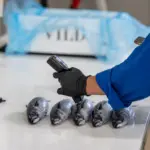

Underwater vision selects best breeders
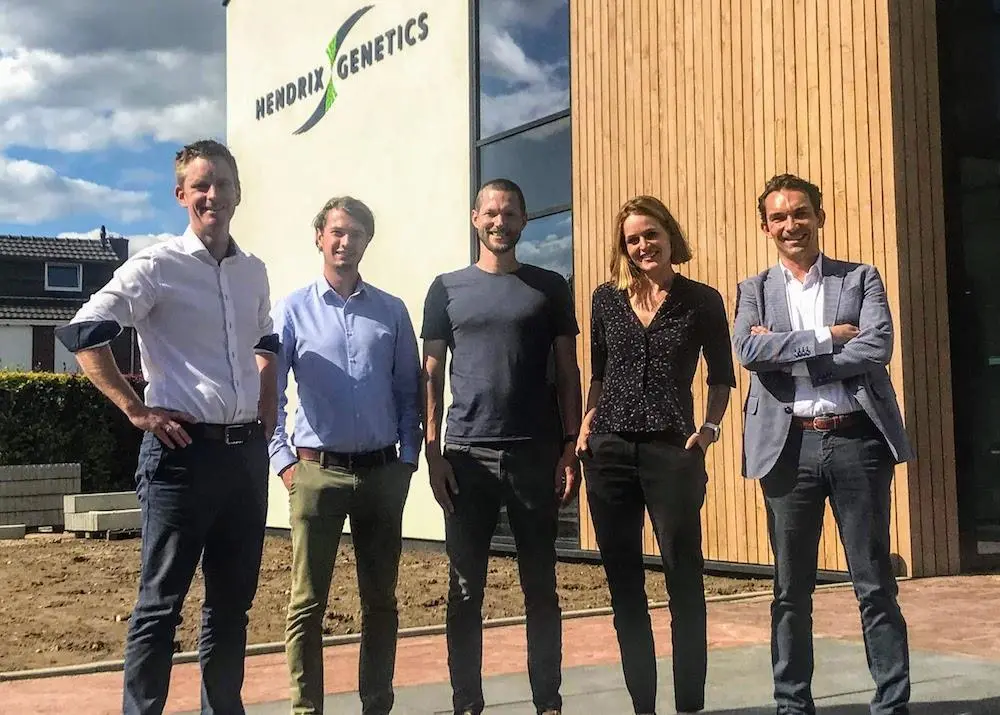
Hendrix Genetics and Plant & Food Research have signed a memorandum of understanding to co-develop underwater vision technology for measuring aquaculture breeding stock, using trout as a test case.
To accurately select the right animal as a breeding parent, geneticists need to track key characteristics, including body weight and size and shape. However, in aquaculture, data collection offers significant challenges. Conventional methods, such as weighing scales, are labour intensive and can compromise animal welfare.
Underwater vision technology offers a solution to accurately and efficiently identify, measure and select breeding stock. Plant & Food Research has developed new image-based processes to measure a range of traits in fish automatically.
Dr Robbert Blonk, R&D director aquaculture of Hendrix Genetics, said, “Accurate data collection and tracking individuals in aquaculture is key. We look forward to working with Plant & Food Research to implement their state-of-the-art technology to further advance our breeding programs.”
Dr Maren Wellenreuther, science group leader seafood production for Plant & Food Research, added, “Underwater vision technology has the potential for a huge leap in breeding accuracy and further genetic improvement. We look forward to continuing the development of this technology and see it adopted by industry partners like Hendrix Genetics.”
The high throughput system uses species-specific features, such as visual patterning akin to a fingerprint, to identify individuals and track their growth over time. This information can then be used to identify individuals which offer potential as parents in aquaculture breeding programs. The development project will assess the viability of this approach in a commercial environment by performing test cases in trout.
Related Articles
 SEAFOOD
 AQUACULTURE
 SEAFOOD