


Transparency is key, EJF tells Ghana
Transparency must be improved to eradicate illegal fishing and prevent the collapse of Ghana’s fishing industry, according to a new report from the Far Dwuma Nk?do project.
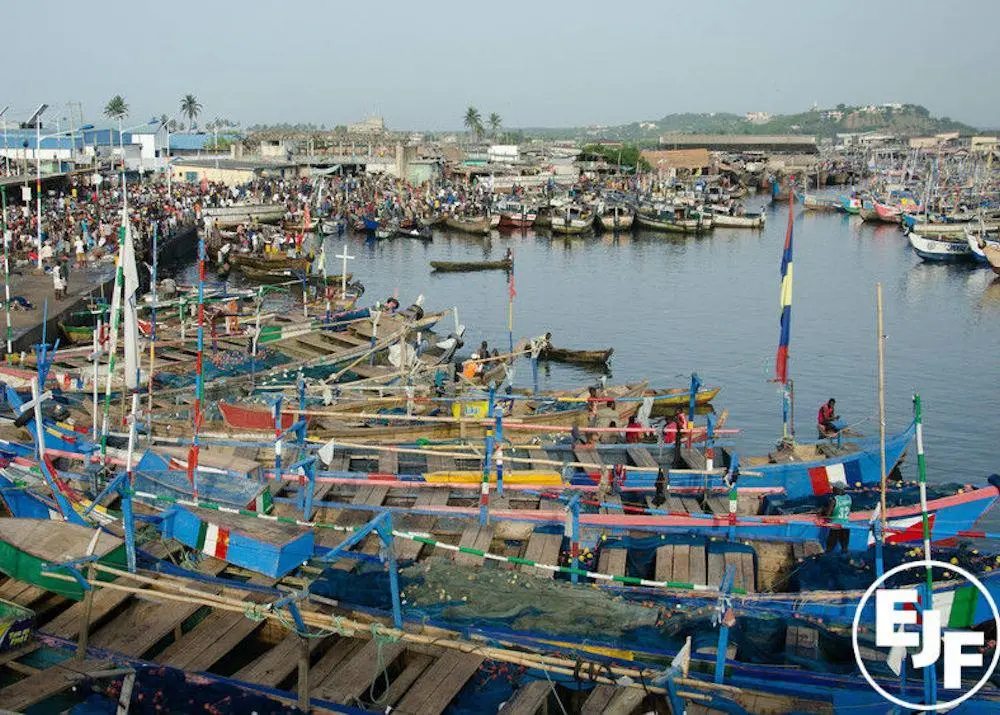
The report, published by the Environmental Justice Foundation (EJF) and Hen Mpoano under the EU-funded Far Dwuma Nkɔdo project, shows that the Ghanaian fishing industry suffers from a lack of transparency. As a result, illegal fishing is rife and vast over-capacity in the fishing fleet has seen fish stocks plunge to their lowest recorded levels whilst incomes for small-scale fishers has dropped by 40 per cent.
EJF executive director, Steve Trent, said that transparency was the key to protecting people’s livelihoods and food security. “It is a low-cost, highly effective means to tackle illegal fishing, improve accountability and support meaningful participation in decision-making,” he added.
‘Front’ companies
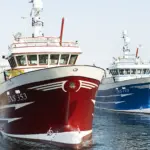
In a previous report, EJF revealed that despite Ghana’s laws clearly forbidding the practice, Chinese companies operate extensively through Ghanaian ‘front’ companies. In 2015, 90 per cent of industrial trawl vessels licensed in Ghana were built in China, and 95 per cent were captained by Chinese nationals.
The lack of transparency also results in significant loss of state revenue as fines for illegal fishing are often negotiated – through opaque out-of-court settlements – to a fraction of the US$1 million minimum set out in the law.
Recommendations
The report recommends that the Ghanaian government allows for external scrutiny of progress towards achieving sustainability; invests licence fee revenue and fines in sustainability; identifies and holds accountable the true beneficiaries and perpetrators of illegal fishing and makes monitoring data publicly available.
Related Articles
 FISHERIES
 FISHERIES
 FISHERIES