




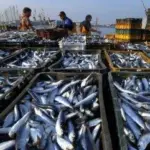

Traditional fishermen get priority under National Mariculture Policy
The Indian government aims to promote aquaculture and the Central Marine Fisheries Research Institute (CMFRI) is working on introducing a national policy on mariculture, reports J Kumar
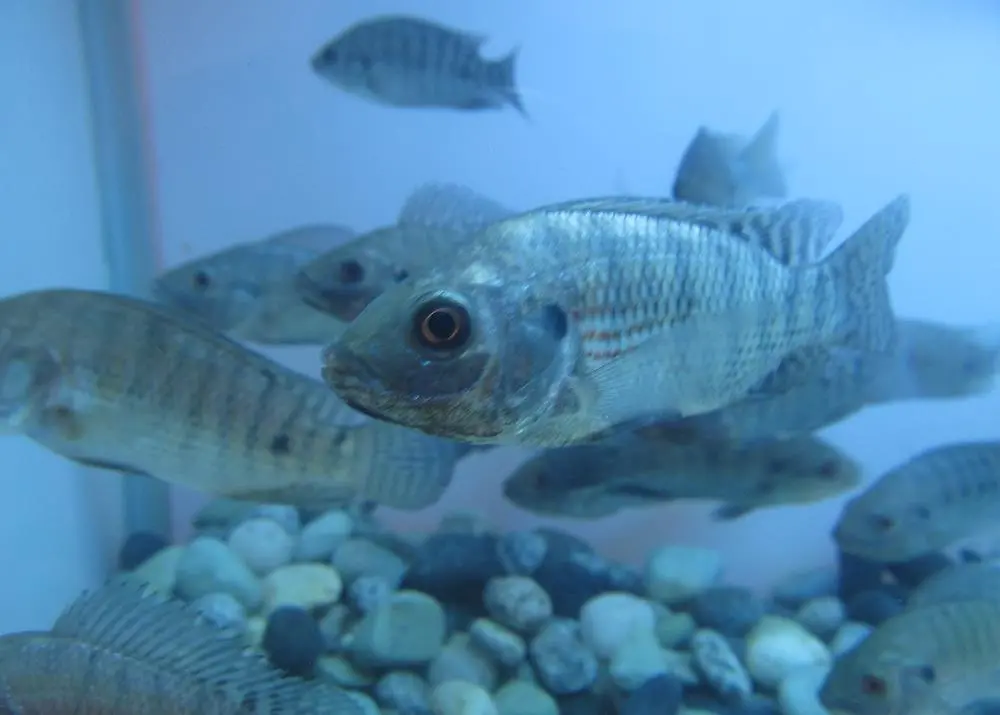
The institute recently held a meeting with all stakeholders to formalise the policy and added various suggestions to the draft National Policy on Mariculture (NPM), 2018 received during the meeting. According to CMFRI, that this new policy will bring clarity for the sector and all concerns will be taken care so that there is no ambiguity between various corporate fishing sector and traditional fishermen.
The policy will also set out rules on sustainable fishing, including marine protection and ecology.
A source within CMFRI told World Fishing that the final draft has been concluded and it will very soon be submitted to the National Fisheries Development Board (NFDB). From there it will go to the fishing ministry for approval.
Commenting on what key aspects included in the final draft, the CMFRI source said that the new policy will address concerns of traditional fishermen and their co-operative societies. These fishermen will get priority when marine mariculture zones are demarcated for various mariculture activities, as there were apprehensions that CMFRI policy has been drafted looking into corporate fishing companies and industry giants in the seafood sector.
Dr. A Gopalakrishnan, Director of CMFRI and Chairman of the committee which formulated the draft mariculture policy, said that the policy is intended to ensure an additional livelihood option to the fishermen community at a time when marine capture fishery passes through a period of stagnation.
The policy will have stringent measures to protect the interests of fishermen and fishing zones, Dr. A Gopalakrishnan stressed.
CMFRI’s director also said that in order to meet growing food demands, India needs to produce more from aquaculture, adding that depending solely on marine capture fisheries will not be enough to meet these demands.
However, the source did not speculate on the date the government will announce the implementation of the policy, apart from stating that it would be before March 2019. As soon as the date is announced, it will be for the state government to formulate laws and regulations with respect to various aspects, including land, water, and fisheries. As per schedule 21 of the Indian Constitution, the States/Union Territories are empowered to regulate and manage marine fisheries in their territorial waters extending up to 12 nautical miles off the coast, while the EEZ from 12 to 200 nautical miles comes under central government jurisdiction.
The meeting suggested that state governments should be entrusted to take measures to curb all kinds of organic pollution emanating from cage fish farming in open seas.
CMFRI draft policy also said that NPM 2018 will ensure sustainable farmed seafood production for the benefit of food and nutritional security of the nation and to provide additional livelihood options to coastal communities.
Such policy has already contributed to substantial seafood production sector in many countries and there is an immense potential for sea farming in our country, the source added.
Knowing that the additional seafood requirement of the country in future years cannot be met by capture fisheries and inland aquaculture alone, CMFRI believes that a sustainable mariculture sector can contribute to the food and nutritional security of the country and enhancing the quality of life of the stakeholders.
Dr A Gopalakrishnan also said that a national-level policy was the current need to promote mariculture enterprises in the country, as systematic mariculture is required to realise these goals.
According to CMFRI estimates, India needs to produce about 18 million tonnes of fish by 2030 as compared to 10 million tonnes that are produced through capture and culture today. This would necessitate increasing aquaculture production from about 4.9 million tonnes now to 12 million tonnes.
Under the policy, sites will be identified for different mariculture activities such as cage farming, bivalve farming, pen culture, seaweed culture, hatcheries, and nurseries. After identifying, such areas will be earmarked as mariculture zones, in consultation with all stakeholders not limited to fishers but also include coastal dwellers, the source underlined.
Mariculture has been in existence in India since 1980 and mariculture systems including types of cages, longlines, rafts, racks, pens, raceways, Recirculating Aquaculture Systems (RAS) and Integrated Multi-Trophic Aquaculture (IMTA) are already used. However, under the NPM 2018, the major focus will be given for the improvement of existing technologies to be on par with international standards, biosecurity, and code of practices.
The meeting was attended by representatives of fishermen, vessel owners, fish farmers, seafood exporters and hatchery entrepreneurs in Kerala along with marine scientists and Fisheries Department officials.
CMFRI officials also decided to incorporate mariculture on par with agriculture with a view to access to financial benefits from government and banking sectors in the final draft policy. In addition, stringent measures will be incorporated into the draft policy to protect marine ecology.
Related Articles
 AQUACULTURE
 AQUACULTURE
 SEAFOOD