



ReCon expands ghost gear removal
Project ReCon, the circular economy initiative developed by Spanish technology firm Satlink, continues its global expansion through new partnerships in key marine regions.
The programme, which focuses on recovering and reconditioning fishing buoys for scientific and environmental use, has now extended its reach into the Caribbean and the western Indian Ocean.
“Project ReCon is proving that collaboration can drive real change in ocean sustainability”, said Kathryn Gavira, head of science and sustainability at Satlink. “By giving this fishing technology a second life, we are not only reducing waste, but setting a new standard for how industry, science and communities can work together to protect and better understand our oceans”.
In the Caribbean, Project ReCon has partnered with Ripples to Waves, a grassroots NGO from St. Vincent & the Grenadines. The collaboration will support efforts to repurpose recovered echosounder buoys and raise awareness of marine debris and its impact on marine ecosystems and coastal communities. The initiative will also integrate into the NGO’s existing marine conservation campaign, One Drop in the Ocean.
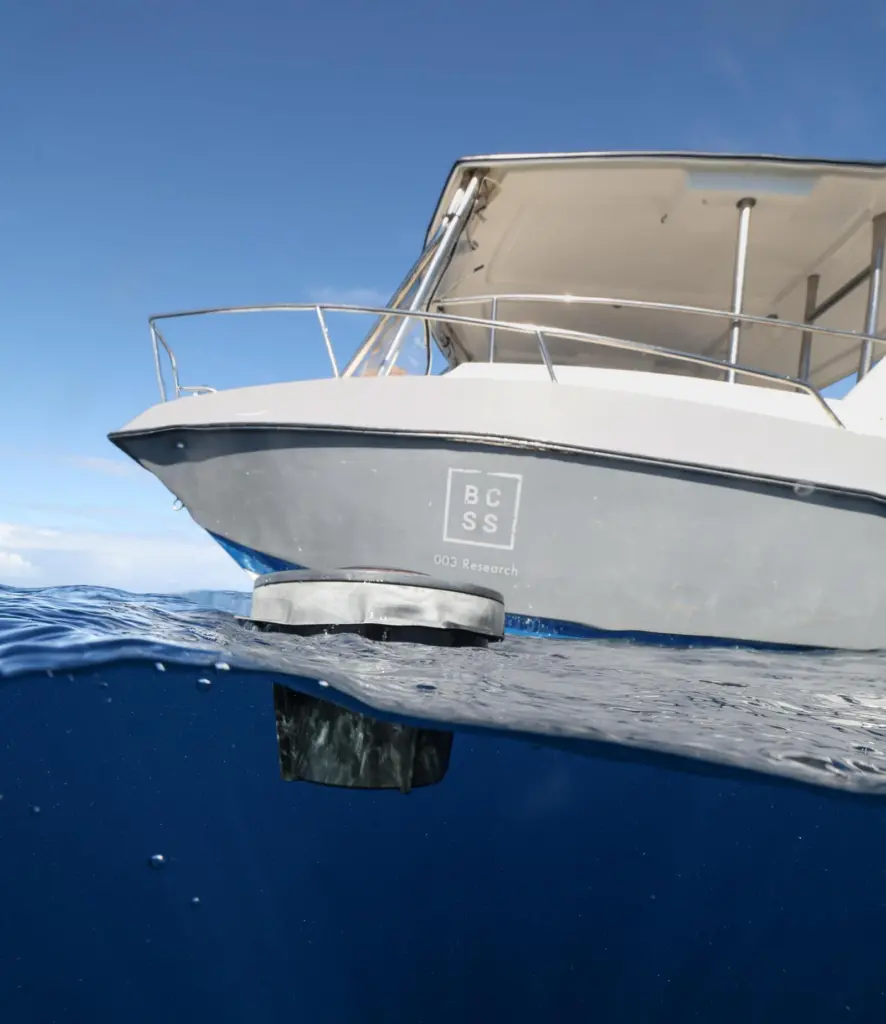
Simultaneously, ReCon is strengthening its presence in the western Indian Ocean through its long-standing partner, the Bazaruto Center for Scientific Studies (BCSS) in Mozambique. BCSS, which operates a permanent ocean observatory in collaboration with Kisawa Sanctuary, is now expanding its operations into Tanzania, Kenya, Madagascar and South Africa.
Launched in 2022 in collaboration with Australia’s Tangaroa Blue Foundation and now operating in over 20 countries, Project ReCon aims to prevent fishing buoys from becoming marine waste. Once reconditioned, these devices are used for a variety of conservation purposes, including oceanographic research and marine monitoring. So far more than 7 tonnes of ghost gear have been removed from the oceans.
Related Articles
 SUSTAINABILITY
 FISHING TECHNOLOGY
 FISHERIES