


New measures to protect marine resources in the Adriatic
Governments have agreed to set up a number of fisheries restricted areas (FRA) throughout the Adriatic Sea, following a successful experiment in Jabuka/Pomo Pit.
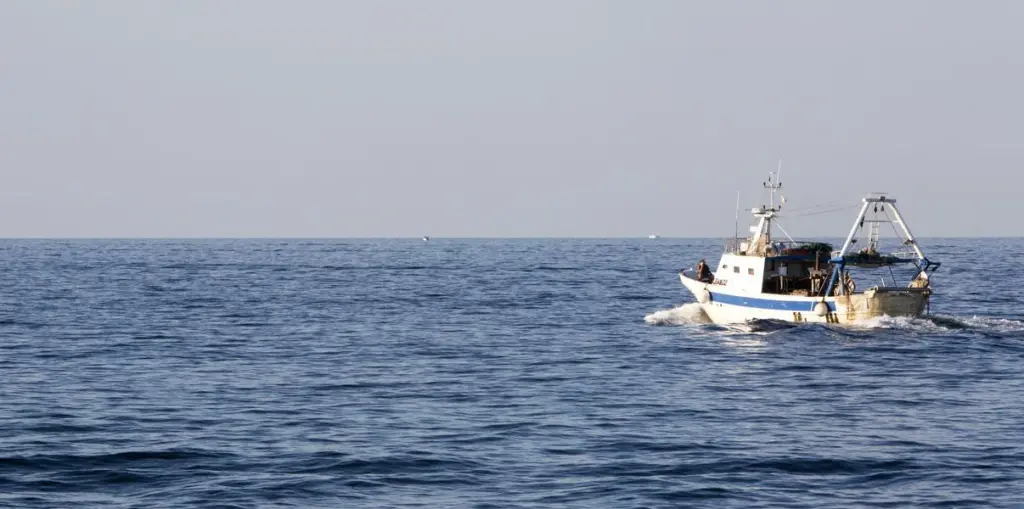
An FRA is an area in which some fishing activities are banned or restricted to help conserve specific stocks, habitats and deep-sea ecosystems. The Jabuka/Pomo Pit FRA was the first established with a scientific monitoring plan and initial results have been hailed by both scientists and fishermen.
“Before the closure of the Jabuka/Pomo Pit, the situation was critical,” explained fisherman, Antonio Sunjic. “The catch of Norway lobster had decreased and European hake had vanished almost completely. After the closure, fishing in the territorial waters around the Jabuka/Pomo island revealed a visible increase in catch.”
Now countries in the region hope to obtain similar results with the establishment of an FRA in the Bari canyon and another in Southern Adriatic, a forerunner to a pilot project to be launched next year on bamboo coral, a vulnerable species that appears on the seabed across the Mediterranean Sea.
At the recent annual session of the General Fisheries Commission for the Mediterranean, members adopted a total of 21 binding recommendations and 14 resolutions for the conservation and sustainable use of marine resources in the Mediterranean and the Black Sea.
These measures ranged from the reporting of non-indigenous species in aquaculture, to the management of sustainable trawl fisheries, defining the minimum conservation reference size for priority stocks and mitigating effects on vulnerable species.
Related Articles
 FISHERIES
 FISHERIES
 AQUACULTURE