

3D printed reef study
Researchers from a university on the UK’s south coast have released juvenile lobsters on 3D printed artificial reefs to find out more about their preferred habitats.
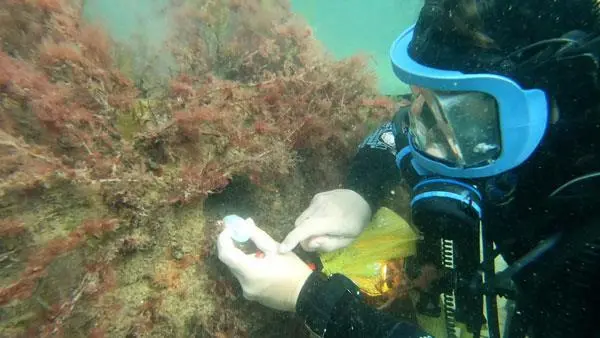
The reefs are part of 3DPARE, an Interreg Atlantic-funded research project that is testing which concrete types, reef shapes and specific features such as overhangs or holes are most attractive to marine life.
Professor Rick Stafford, who led the team of researchers at Bournemouth University, said that marine conservation was facing huge challenges of both climate change and biodiversity loss. “Our understanding of artificial reefs can help us to better design sea walls, breakwaters and harbours, which can help boost marine life and biodiversity,” he said.
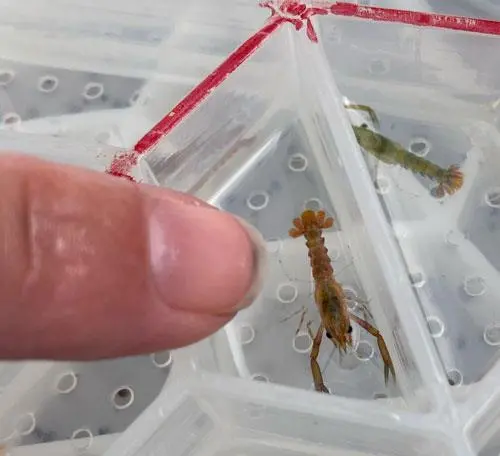
The juvenile lobsters released on to the reefs were hatched by the Yorkshire Marine Research Centre, part of the not-for-profit trade association, Holderness Fishing Industry Group.
“The lobster release project also investigates whether these structures could support high value local fisheries,” explained Professor Stafford.
Researchers have been surveying the reef units using techniques such as SCUBA surveys, drop-down remote underwater video, and remotely operated vehicle surveys. After only four months the team noticed colonisation which included 102 species by eighteen months.
“The 3DPARE reef units have been designed to provide suitable habitat for a variety of marine life,” said Dr Alice Hall, visiting fellow and researcher on the project. “The colonisation of the reef has exceeded all our expectations – every dive I discover a new species using them.”
Researchers hope that other man-made structures such as offshore wind farms could also house underwater ecosystems and help replenish some of the depleted fish stocks.