


A new software tool is being designed to gather and process data from aquaculture stakeholders with the aim of improving environmental footprint and optimising processes in fish farming.
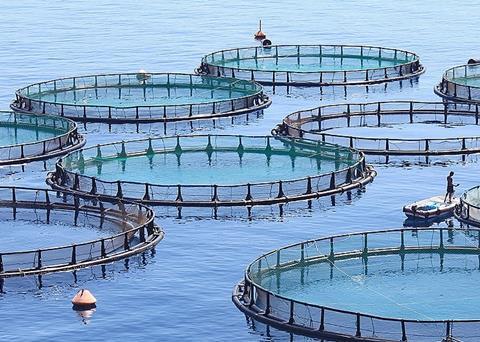
The Danish Green Development and Demonstration Programme (GUDP) project will use data from stakeholders including suppliers and fish farmers, which will be stored in a shared cloud-based database.
"The GUDP-project aims at combining IT and aquaculture to develop smart, easy-to-deploy, user-friendly tools that can lead to a new era of connected, responsible and efficient, and thus, sustainable aquaculture", said Paw Petersen, managing director of Oxyguard International, which is leading the project.
Utilising technology
For data processing, the software will build on technologies such as big data, internet of things (IoT) and machine learning. This is intended to help enhance husbandry in farms, optimise usage of feed and oxygen, plus support other initiatives to help reduce the environmental impact of aquaculture.
With the aim of boosting development and use of the tool, contribution to the project will be made by Danish aquaculture businesses including BioMar, Danish Salmon, AquaPri, Danaqua, Aller Aqua, Kongeåens Dambrug, DTU-Aqua and University of Copenhagen.
By maximising cooperation from companies, the project also aims to ensure that all parts of the aquaculture production chain are taken into consideration.
Ole Christensen, vice president of BioMar's EMEA division, said that "for BioMar, the aim is to help our customers to become more efficient and more sustainable in an economically viable way. Our participation in projects of this kind helps us deliver on our strategy of innovating for a sustainable aquaculture for today, and tomorrow.”