





Smart Gear 2011 winners announced
WWF has announced the grand prize winner and the two runners-up of the 2011 International Smart Gear competition.
The biennial Smart Gear competition seeks innovative, environmentally-friendly ways to reduce the amount of fisheries bycatch.
This year’s US$30,000 grand prize was awarded to Kazuhiro Yamazaki, a captain on a Japanese tuna vessel, for the idea that would reduce the amount of bycatch specifically occurring in tuna fisheries. US$10,000 of the prize money will go to fund activities, such as testing and marketing that will help to make the winning idea widely available.
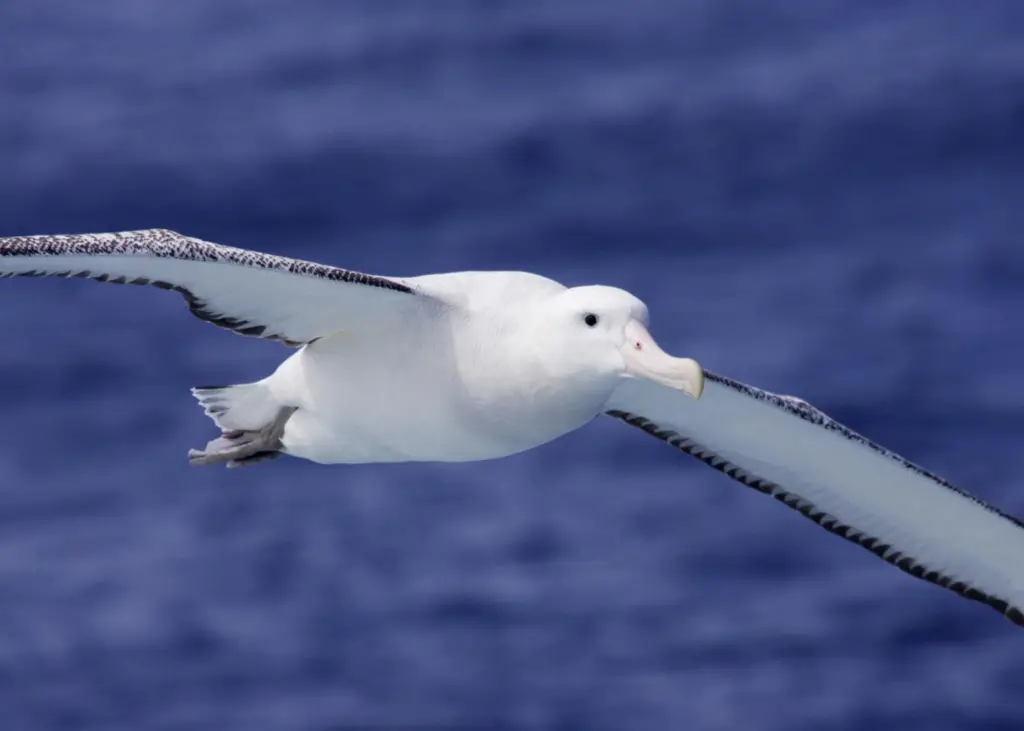
Mr Yamazaki’s winning design – Yamazaki Double Weight Branchline – sinks long line hooks beyond the range of seabirds, such as albatrosses and petrels. It also reduces injuries and fatalities to crews caused by rapidly recoiling weights and hooks. In 2010, over 95,000 branch lines with the double weight system were hauled with no injuries, reducing seabird bycatch by 89% as compared to un-weighted branch lines, with no effect on fish catch rates.
The competition also offered two US$10,000 runner-up prizes to the second and third winners.
The first runner-up prize winner was a device called the SeaQualizer, which was submitted by a team from Florida. The SeaQualizer is a simple device that increases the survival rate of fish that experience barotrauma symptoms. When pulled to the surface, many fish undergo an expansion of their air bladder, and cannot return safely to the ocean depths. The SeaQualizer represents a breakthrough in bycatch release technology that could have a major impact on fish mortality in the recreational angling sector. Studies have suggested that survival rates greater than 50% are possible, depending on the species and the depth from which they are raised. If widely accepted by the recreational fishing community, the SeaQualizer could result in significant improvements in management and stock levels for red snapper and rockfish in particular.
The second runner-up was awarded to a team from Ocean Discovery Institute in San Diego and University of Hawaii for a device called Turtle Lights for Gillnets, which is designed to reduce the bycatch of sea turtles in gill nets. Turtle Lights for Gillnets uses widely available fishing lights to illuminate gillnets. Trials reduced green turtle interactions by 60% without affecting target catch rates or catch value. The award-winning team hypothesizes that the illumination creates enough of a visual cue to alert sea turtles to the presence of a net so that they can avoid it.
Related Articles
 FISHING TECHNOLOGY
 NEW VESSELS
 FISHING TECHNOLOGY