



Shellfish best-practice
Best practice guidance for animal welfare across the UK shellfish supply chain is under development. The work is being driven by the Shellfish Association of Great Britain (SAGB) and the industry-led Crab and Lobster Management Group (CMG), with assistance from seafood industry body Seafish.
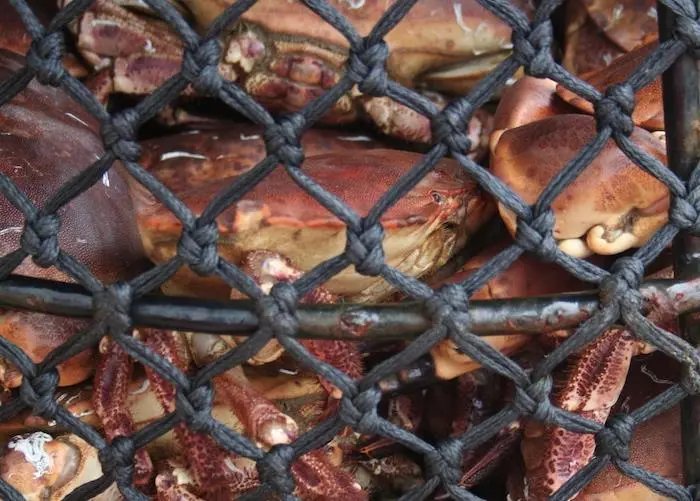
The renewed focus on crustacean welfare and the development of best-practice guidance follows the recent publication of a London School of Economics (LSE) report on sentience in cephalopod molluscs and decapod crustaceans.
This research, which was commissioned by the Department for Environment, Food and Rural Affairs (Defra), highlighted the importance of ‘codes of best practice’ in ensuring that stress to these animals is minimised.
Following the publication of the report, Defra tabled an amendment to the Animal Welfare (Sentience) Bill.
“We are pleased to be spearheading this important area of research. While most seafood businesses already have good processes in place to care for their catch, it will be important that all operators understand what good practice looks like and what should be avoided,” SAGB Chief Executive, David Jarrad, said.
“We know that many businesses have already taken the necessary steps, but there are some businesses that may need to adapt how they do things. It will be important that we make that job as easy as possible for everyone by producing robust, credible but also easy to follow guidance.”
The current project is primarily focused on developing guidance to promote welfare of crustacea, including crabs, lobsters and nephrops. The core principle being applied is that guidance must meet government requirements and must minimise the impact on and cost to businesses.
Work will be delivered across a two-phase project, with the first phase – already underway – focusing on establishing the most suitable form for the guidance and the most effective way to implement and monitor uptake of the guidance. It will also involve identifying key stakeholders to be involved in developing and establishing guidance and a process to follow throughout to ensure maximum success.
The second phase of activity will focus on establishing the guidance across each part of the supply chain. This will include catching, transportation, wholesale, processing, catering, retail and the import/export trade. The proposed approach is to establish targeted working groups to help develop this guidance at each stage of the supply chain.
While this work is industry led, the project organisers maintain that capturing input from government and the NGO community is essential to ensure the success of this initiative. Representatives from these organisations will be encouraged to participate in the working groups during Phase 2 of the project.
Claire Pescod, Chair of CMG and Head of Sustainability & Science at Macduff Shellfish, said, “Ensuring that businesses have access to fit for purpose best practice guidance will benefit animal welfare across the shellfish supply chain. It will support those seafood businesses who are already following the correct procedures and enable other businesses to improve their practices.”
According to Seafish the UK shellfish sector is worth £565 million in export revenue.
Related Articles
 FISHERIES
 SEAFOOD
 SEAFOOD