






Report warns of climate risk for UK seafood
A new report highlights the future challenges facing the UK’s wild capture seafood industry as a result of climate change.
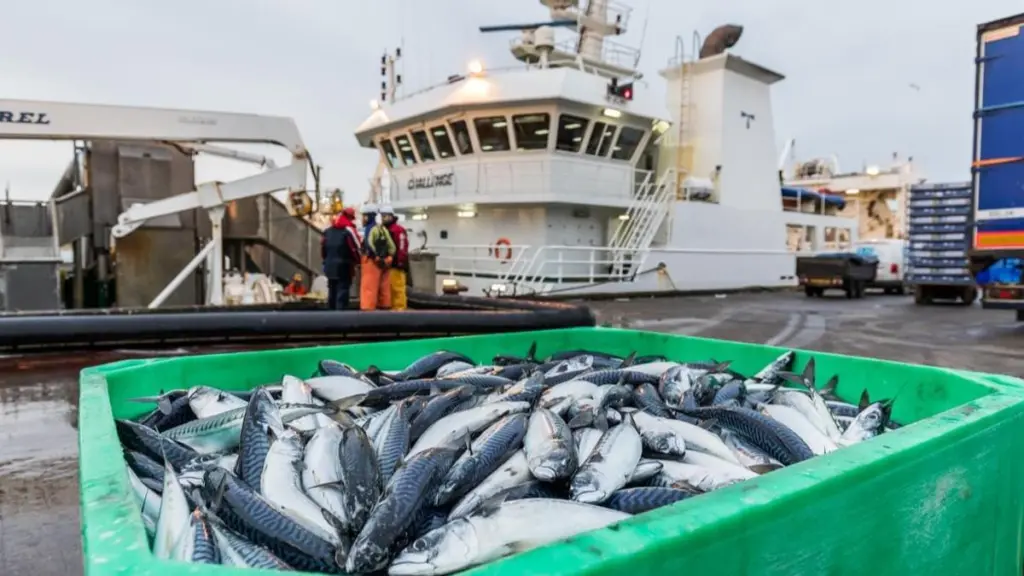
Produced by experts from Seafish, the Centre for Environment, Fisheries and Aquaculture Science, and Aberdeen University, the report, titled ‘Climate change risk adaptation in UK seafood: Understanding and responding to a changing climate in the wild capture seafood industry’ updates research from a decade ago, addressing both ongoing and emerging climate impacts.
The report focuses on climate-related impacts on key species groups in the UK market – whitefish, pelagics and shellfish—and outlines potential adaptation strategies to help the industry navigate these changes.
“With a warming world there are changes afoot in fisheries with impacts right along seafood supply chains,” explained Dr Garrett from Seafish.
“The extent of future warming remains an open question, but being prepared for potential changes is within our grasp. This report hopefully contributes to that preparation.”
While the physical impacts of climate change, such as rising sea levels and ocean acidification, remain significant, the report identifies new concerns.
These include policy frameworks that place greater emphasis on climate responsibilities, shifts in market attitudes toward sustainable sourcing, and the growing threat of illegal, unreported, and unregulated fishing exacerbated by climate change and geopolitical tensions.
The research, which involved input from 30 industry stakeholders over 2022 and 2023, provides a foundation for the seafood industry to adapt to these challenges.
It emphasises that while the degree of future warming is still debated, the consequences for the industry will be profound.
Related Articles
 PROCESSING & REFRIGERATION
 SEAFOOD
 SEAFOOD