






New high for seafood trade
The value of the global seafood trade increased to new levels in 2021 and the trend is expected to continue through this year as the world recovers from the Covid-19 pandemic, according to the findings of a new report compiled by Dutch multinational banking and financial services company Rabobank.
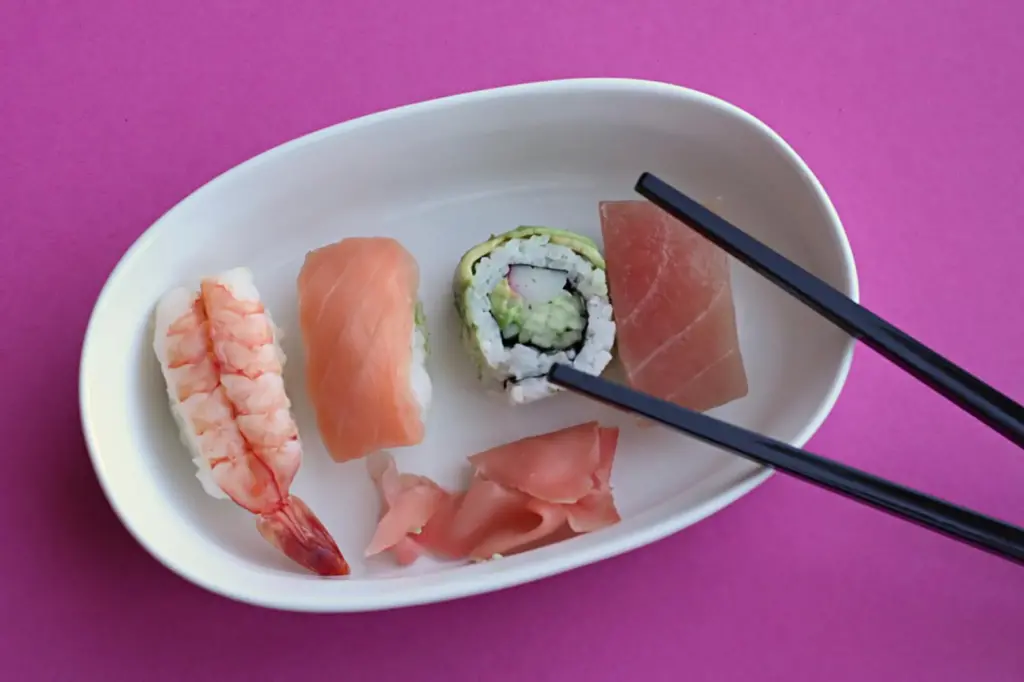
‘Global Seafood Trade: The Decade’s Winners Grow in Influence’ confirms that fish is one of the world’s most traded food commodities, with demand expected to increase another 15% in the next decade, and that seafood is the most traded animal protein with a trade value that’s 3.6 times the size of beef, five times that of pork, and eight times the size of the global poultry trade.
In 2021, the value of the global seafood trade grew by USD$13 billion, reaching a new peak of more than $164 billion, Rabobank reports, adding that “premium aquaculture” – in particular farmed salmon and shrimp – has been “the decade’s winner”.
The analysis finds that the major seafood markets of the United States and Europe have fully recovered from the health crisis and that China’s imports are gradually returning to pre-pandemic levels.
“Seafood trade in the US recovered more than expected in 2021 due to a combination of sustained at-home consumption and strong foodservice recovery,” said Novel Sharma, Analyst – Seafood at Rabobank. “These factors led to peak imports for many species and an increase in import market share of high-value species. We expect long-term seafood demand to continue rising in the US.”
Sharma advises that the Chinese market, which is increasingly reliant on imports, will continue to be impacted by Covid restrictions in the short-term but that these measures are only likely to be temporary, and imports should return to normal levels in the longer term.
Meanwhile, Rabobank learned that the overall trade value of farmed salmon dropped in 2020 but has since rebounded with consumers continuing to cook more fish at home. However, Sharma cautioned that salmon’s post-pandemic trade value has been fuelled by high prices – brought by increasing demand and restricted supply growth – and that the expansion of volumes “will be essential for continued growth”.
At the same time, Rabobank believes that shrimp, which is the world’s most traded seafood species, is at an inflection point.
Following record demand and supply last year, prices have been dropping since the second quarter 2022, while costs (feed, freight and energy) remain high, impacting farmer profitability.
“This falling demand is likely to cause a short-term trade decline,” Sharma said. “Still, we do believe in shrimp industry growth. The industry is support by strong, long-term demand, given shrimp’s position as a healthy and convenient seafood product with universal appeal.”
Related Articles
 PROCESSING & REFRIGERATION
 SEAFOOD
 SEAFOOD