




Creating a seafood data ‘one stop shop’ for transparency
A project from Fisheries Innovation & Sustainability (FIS) has highlighted how data-sharing through digitalisation can bring tailor-made benefits to seafood businesses.
The FIS-commissioned pilot project has laid the foundations for supply chains across the UK to trial greater transparency, adapting the technology to their own, specific needs.
“Digitalisation is a complex area and we wanted to sense-check where and how it provides practical benefits to seafood companies – as well as understand the existing barriers to supply chain transparency,” said Kara Brydson, executive director, FIS.
”Data sharing will not thrive if it adds pressure to already very busy workplaces without any payback. The project has highlighted where there can be clear advantages – for example, helping seafood suppliers meet particular buyer requirements. Now businesses can test how data sharing could help them meet the specific needs of their supply chains, using the foundations we have laid with this project.”
Shared benefits
FIS and Seafood Scotland worked together to develop the project whereby seafood supply data is captured once, but made available for use as many times as needed by different users – in science, markets, certification and management.
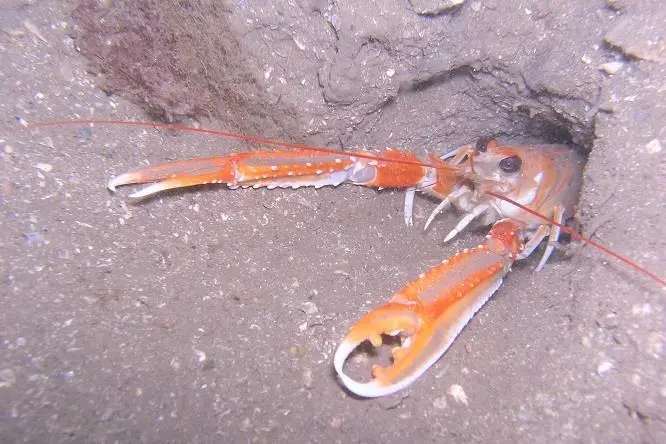
This seafood data ‘one stop shop’ focused on two iconic Scottish species, nephrops and haddock and was delivered in pilot form by digital traceability expert, Verifact.
The project provides practical examples of how this technology can add value to seafood supply chains. With a growth of consumer interest in traceability, it looks to future-proof the industry against the pending requirements of a fully transparent supply chain.
Another key finding from the project is that often businesses do not understand what type of information is required by others in the supply chain and why this is important – for example, to meet certification standards or customer requirements.
As part of the outputs of the project, a ‘toolkit’ has been developed that can be used to support future data sharing projects.
This includes a vessel details database to capture information on sustainability and labour practices and policies; a processor portal to upload data in line with seafood traceability requirements and a suite of data sharing agreements to set out how the data collected is processed and utilised.
Related Articles
 SEAFOOD
 SEAFOOD
 FISHERIES