



A peer-reviewed scientific paper has confirmed the lack of evidence of negative impacts on wild salmon stocks from fish farming.
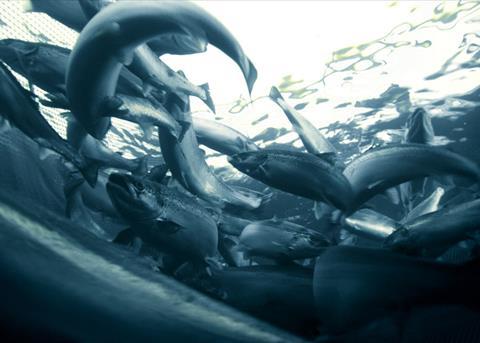
The paper used data on 352,142 wild fish at eight locations between 2001 and 2009 and has found no correlation between the presence of aquaculture and the performance of adjacent wild salmon stocks.
The paper states “In fact, the rivers in the River Basin Districts with salmon farms have performed best in terms of meeting their Conservation Limits and also in terms of ability to support a commercial catch by way of a commercial draft net fishery”. The paper supports previous scientific work which found that potential impacts of sea lice from farmed salmon on wild stocks were, at worst, negligible.
The Irish Farmers Association (IFA) says that it is now time to think of coastal communities and for all sides in the debate to work together to create badly-needed jobs and economic activity in peripheral areas.
IFA Aquaculture Executive Richie Flynn said, “The drive and focus of Europe under the new Common Fisheries Policy is to develop fish and shellfish farming and neither industry nor government should be distracted any longer from this important task. We need to fill a huge 8 million tonne gap between production and consumption of seafood in the EU using the experience, quality control, environmental management and confident skills of the EU industry to produce world class farmed fish and shellfish”.
The paper can be viewed here.