


Quality and traceability will determine Turkey’s aquaculture success
Hasan Girenes says that the secret of the success of Turkish aquaculture is that companies copy wild fish conditions, but then they do it better.
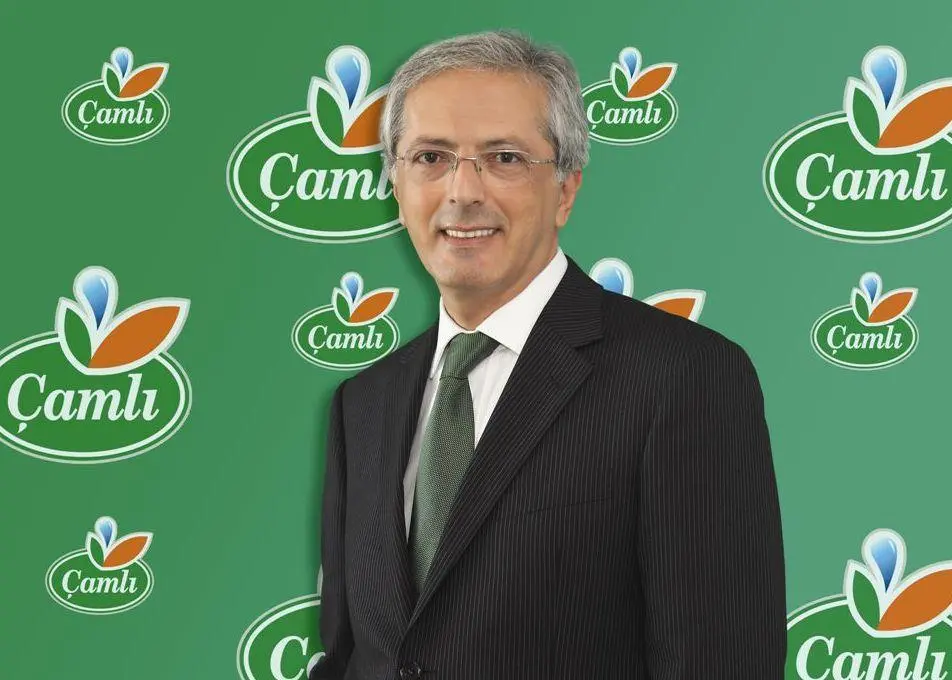
Mr Hasan Girenes is president of agriculture and fisheries in Yasar Holding AS and he is also the chairman of the Izmir Fish Producers’ Association – he believes that the success of the Turkish aquaculture sector will ultimately rely upon its ability to produce high quality, traceable and sustainable fish.
He said to World Fishing & Aquaculture: “We are the leading group in the food protein business in Turkey, we’ve achieved this by our strong brands, putting consumers first and valuing our workers – we are a perfectionist group, we believe in ethics and excellence.”
It’s clear that the group’s knowledge and expertise in protein consumer goods has served as a major advantage in its fish farm business as well.
He explained that Turkey’s population of 75 million with 30 million tourists annually is a huge consumption base to take advantage of – especially seeing domestic consumption figures are so low. He also pointed out that in Europe there is a trade deficit in fish – which is a huge advantage for Turkish producers.
So Turkey is producing, consuming and exporting, unlike Italy which is not producing, and Greece which is not consuming – Turkey has all three.
‘Last Mohican’
Aquaculture farming, he says, is ever more important because catch quotas are reducing so the only way to produce the amount of fish required is by farming. “Aquaculture is the last Mohican, the problem is it is undervalued and is often given a bad press by the media, but it is the only way to meet demand in a sustainable way.”
“What we do is impressionism, we copy the conditions that fish live in the wild, but then we do it better, it’s like a five star hotel with an added security service”, he added.
And his view that the Turkish government’s move back in 2008 to move farms offshore, although it created a forced consolidation of smaller fish farms and producers, created a boom in the industry because it forced companies to get better with investment, vessels, safety and quality.
Mr Girenes believes that there is still much work to be done in the future though. “We all need to do our part, companies, consumers, authorities and stakeholders, to drive home the importance of the aquaculture industry in Turkey. Not only is fish really good for nutrition and health, the industry creates jobs and avoids migration, it helps nature and creates valued trade for the country.”
All producers in Izmir are members of the Izmir Fish Producers’ Association. Its job is to educate consumers on the benefits of seafood with the help of the Seafood Promotion Council.
“There are always problems for producers, which are much easier to solve as a collective entity. We coordinate relations with the Ministry of Agriculture and local authorities, we exist to improve the quality of our business”, Mr Girenes explained.
Related Articles
 SEAFOOD
 AQUACULTURE
 SEAFOOD