


Project to reduce major aquaculture diseases
A new £1.97m project has been launched to develop and apply new molecular biology techniques to reduce the impact of major diseases in aquaculture for the improvement of the livelihood of small-scale farmers in India, Bangladesh and Malawi.
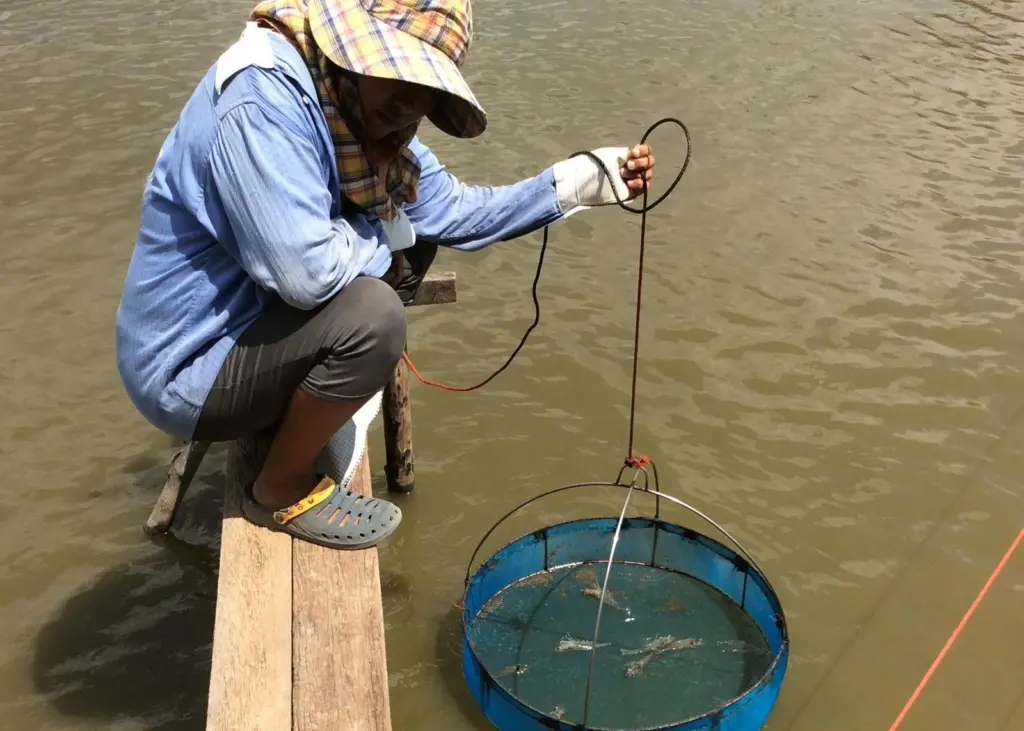
The University of Exeter and the Centre for Environment, Fisheries and Aquaculture Science (Cefas) are leading the project which is funded under the Global Research Partnership: BBSRC-Newton Fund Aquaculture Call.
Aquaculture contributes significantly to global food security and poverty reduction. In Bangladesh and India the shrimp fishing industry sustains the livelihoods of hundreds of thousands of poor people. Fish farming too is fundamental to the lives of small scale farmers in India and in developing countries around the world. Disease is the biggest single factor limiting growth in aquaculture (with associated annual losses estimated at more than $6bn globally) and combating disease is critical for both the protection of the livelihoods of small scale farmers and for achieving national and global targets for aquaculture growth to help reduce poverty.
In this project environmental DNA (eDNA) methods will be applied to help understand the microbiome (assemblages of microbes and pathogens) in fish and shellfish culture ponds and within the organisms themselves for developing early warning of diseases and for avoiding disease outbreaks in low income countries where food is scarce. A central theme in this project is the alignment of the efforts of farmers, health professionals, researchers and national authorities to help prevent disease outbreaks.
The University of Exeter and Cefas will combine their expertise to better understand how the microbiology within culture ponds relates to health status and disease outbreaks in key crop species in these countries. The data will be used to develop models for predicting the drivers of disease outbreaks that can be applied to allow for measures to reduce or prevent crop losses for farmers.
In the project farmers will be engaged and trained in accurate disease diagnostics, and communication and training networks will be established that will disseminate the outputs of the project as widely as possible. In order to achieve this, cutting edge microscopy and molecular tools will be used to understand the microbiome of aquaculture ponds and how this relates to disease outbreaks.
Related Articles
 AQUACULTURE
 AQUACULTURE
 AQUACULTURE