


European project seeks high value in seafood by-products, by-catch
A European research project is hoping to demonstrate that there is considerable untapped potential in utilising marine co-products and non-target by-catch species as ingredients in high-value products such as creams and dietary supplements.
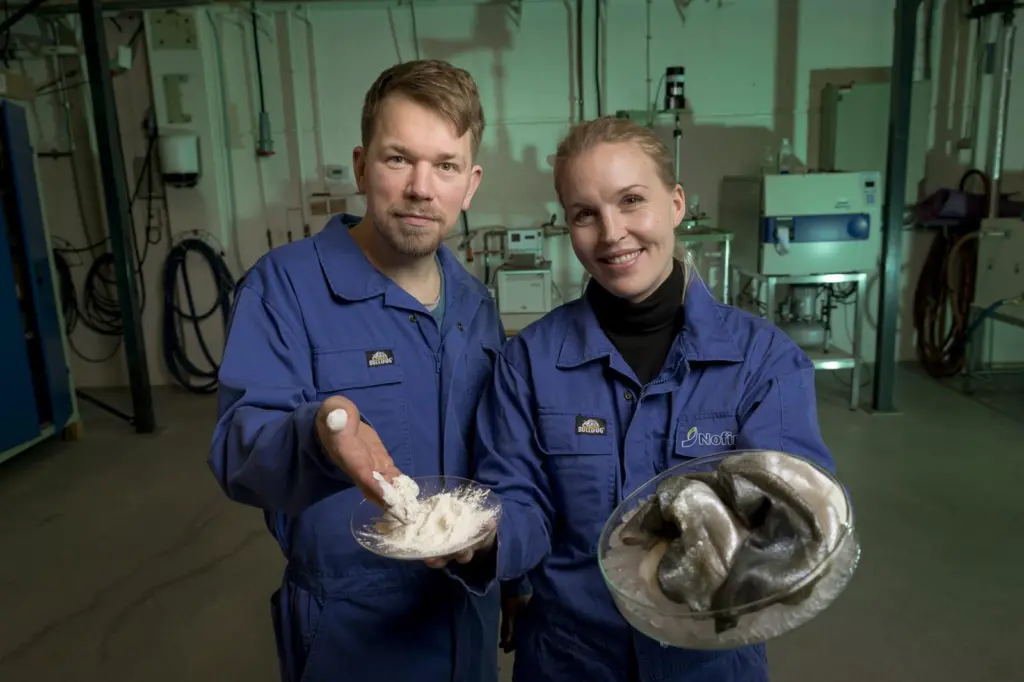
Backed by the Norwegian Institute of Food, Fisheries and Aquaculture Research (Nofima), a team of BlueCC scientists have been extracting collagen and chitin from invasive species that appear in European waters or fish that end up as by-catch from commercial fishing.
Another aim is to find ways to exploit lumpfish, which are used as cleaner fish in aquaculture systems.
According to the project’s researchers, lumpfish, starfish and jellyfish may become valuable sources of collagen, while chitosan is a derivative of chitin, which is extracted from crabs and other crustaceans. Both of these natural biopolymers are widely used in cosmetics and dietary supplements.
BlueCC states that the market for these ingredients is enormous, especially for collagen, which Forbes values at about US$8.6 billion worldwide.
Project-lead, Nofima’s Runar Gjerp Solstad, explained that the research has taken a more “consumer-driven approach” and is guided by surveys intended to identify consumer demand.
“We will then try to extract collagen and chitin from marine co-products using more sustainable methods,” he said.
BlueCC has eight partners from six different countries and has been allocated funding of €2 million from the BlueBio Cofund. The project runs until autumn 2023.
“We find that research becomes a more democratic process when you actually check what consumers need and want,” Nofima market researcher, Themis Altintzoglou, said.
Last year, he conducted a survey that involved more than 1,000 consumers in the UK. The aim was to map the demand for potential products containing collagen or chitosan deriving from specific marine species.
“Putting the consumer first is a bit unique in this type of research. Using market research as a key part of the development process is also new. The way market researchers ask questions enables them to identify what the consumer wants and needs,” Solstad said.
“We already have a very exciting lead that we have started to follow. It may increase our chances of success with new products.”
In addition to using underutilised marine resources, the team of scientists will also adopt more sustainable extraction methods, Solstad said.
“Collagen and chitin are insoluble in water. Therefore, a lot of acids or alkalis is required to extract the raw material. We want to opt for more environmentally friendly chemicals, and right now we are looking at using a special strain of bacteria for extraction purposes.”
Because of the project’s “bold aims”, research funders had expressed concerns that it was trying out too many things at the same time, revealed Solstad.
“They stated that we were exceptionally ambitious. But I think that it is all too common for people to not be ambitious enough, to be surer of their success.
“We are going to find new methods for turning marine residual raw materials into prototypes for new and eco-friendly products. We believe that pushing oneself to explore something new is valuable in itself,” he said.