

Op-Ed: The economic case for a net-zero Scottish seafood sector
The global demand for sustainable seafood has never been higher. Within the UK alone, 60% of consumers are willing to pay a premium for eco-friendly products, according to a 2022 Mintel report. The message is clear: sustainability sells.
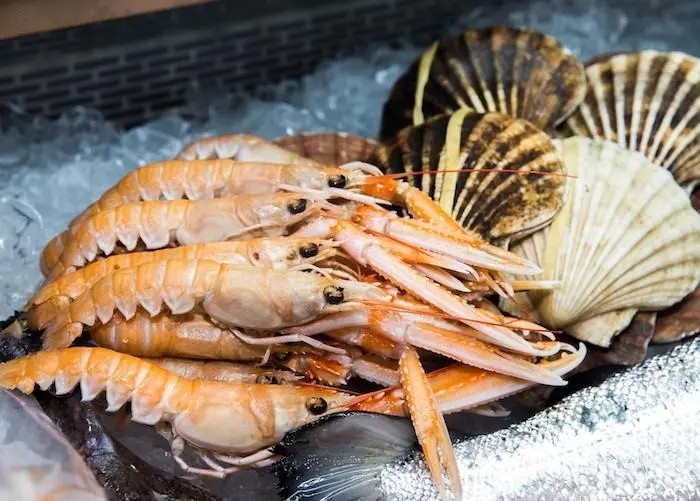
For Scottish seafood producers, reducing emissions isn’t just an environmental obligation – it’s a commercial opportunity. By embracing net-zero and adopting sustainable practices, seafood businesses can cut costs, access and maximise premium markets, and future-proof operations.
Scotland’s seafood sector is a cornerstone of the national economy, generating over GBP 1 billion annually and supporting thousands of jobs. But, like all industries, it faces mounting pressure to reduce its environmental impact. The good news, however, is that being environmentally sustainable is good for seafood businesses.
Consumers and retailers are increasingly prioritising sustainability. Major buyers – from supermarkets to restaurants – already have ambitious ESG (Environmental, Social, and Governance) targets, and they’re looking for suppliers who can help them meet those goals. A recent survey, conducted by the Scotland Food & Drink Partnership’s Net Zero Commitment found that a quarter (25.3%) of businesses within the sector still do not have a net-zero target.
The path to net-zero may seem daunting, but small, strategic changes and major CapEx projects can yield significant results. And many businesses are already making progress – 93% of our survey respondents said they had either already made, or are planning to make, energy efficiency savings this year. By making these kinds of changes, Scottish seafood producers can tap into growing markets, secure long-term contracts, and enhance their brand reputation.
To ensure Scotland’s seafood sector rides the wave of sustainability, the following three steps are key:
1. Optimise supply chains
Transportation and processing account for a significant portion of the industry’s Scope 3 carbon emissions. By partnering with local processors and distributors, producers can reduce transportation distances and costs. Additionally, seafood businesses in some global markets have trialled adopting blockchain technology for traceability, which can enhance transparency, appealing to eco-conscious buyers.
2. Adopt circular economy practices
Fish waste doesn’t have to be wasted and many in Scotland’s aquaculture sector are already leading the way in waste minimisation. By repurposing byproducts into fishmeal, omega-3 supplements, or biogas, producers can turn waste into revenue. Seafood Scotland is already exploring a 100% fish strategy to better utilise fisheries and aquaculture byproducts into higher value commodities. For example, a project in Iceland is already making millions annually by using fish skins as a biotech solution to treat burns and other complex acute and chronic wounds such as diabetic and trauma damage.
3. Collaborate for Impact
The weight of achieving the national net-zero target for Scotland of 2045 doesn’t rest on the shoulders of one business or one particular sector. Achieving net-zero is not a solo endeavour.
The Scottish food and drink sector as a whole has a range of tools, and training resources for businesses, primarily through the Scotland Food & Drink Partnership’s Net Zero Commitment (delivered by FDF Scotland). There is also seafood specific support available through Seafood Scotland, the Scottish Fisheries Federation, and Scottish Seafood Sustainability Partnership. Scotland is also home to world-renowned higher education institutions which regularly partner with businesses to measure, innovate, and improve.
Scotland’s Net Zero Commitment by 2045 presents both a challenge and an opportunity for the seafood industry. By acting now, our seafood producers can position themselves as leaders in the global market, attracting investment and premium buyers. Sustainability isn’t just a regulatory requirement – it’s a competitive advantage that ensures long-term viability in a rapidly changing industry.
The time to act is now. Industry leaders, businesses and governments must champion this change to secure Scotland’s position as a global leader in sustainable seafood. Let’s make it happen together.