
Time for EU action: Broaden waste streams for insect farming to lead global circular economy
There is no question that insect ingredients, particularly from the black soldier fly (BSF), are a truly sustainable solution. A new peer review of Life Cycle Analysis (LCA) data for Protix BSF-ingredients confirms this. The beauty is, there is scope to further reduce the environmental footprint. However, this relies on Europe passing legislation to allow lower grade waste as feedstock for insects, as is the case in Asia.

By lifting legislative barriers and introducing incentives, the EU can accelerate green goals, bolster sustainable waste management, and advance circular economy ambitions. Moreover, insect ingredients enhance global food security amid uncertain supply chains and geopolitical tensions, providing a resilient alternative as fishmeal shortages are projected as early as 2028. Now is the time to strengthen policy and investment support for the highly sustainable insect industry.
Fishmeal shortages in 2028
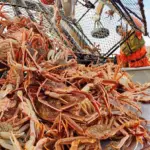
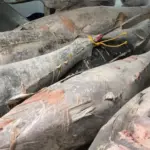
Fishmeal is currently used extensively in feed. However, recently-published articles warn that fishmeal shortages are projected to arise as early as 2028. This means that the world needs alternative ingredients such as insects sooner rather than later!
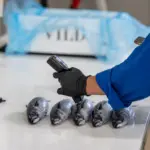
BSF-ingredients have already proven their worth. They provide health and efficiency gains for both performance and companion animals, as well as plants. For example, incorporating just 4% premium BSF-meal from Protix (ProteinX) in salmon feed increased yield by 12.5% (gutted weight), while improving fillet quality and taste in Atlantic salmon.
Moreover, BSF-ingredients require significantly less land and water and reduce global warming compared to conventional alternatives. For example, Protix’s LipidX insect fat requires 100% less land than coconut oil, and ProteinX lowers CO2 emissions by as much as 89%.
Circular food chains
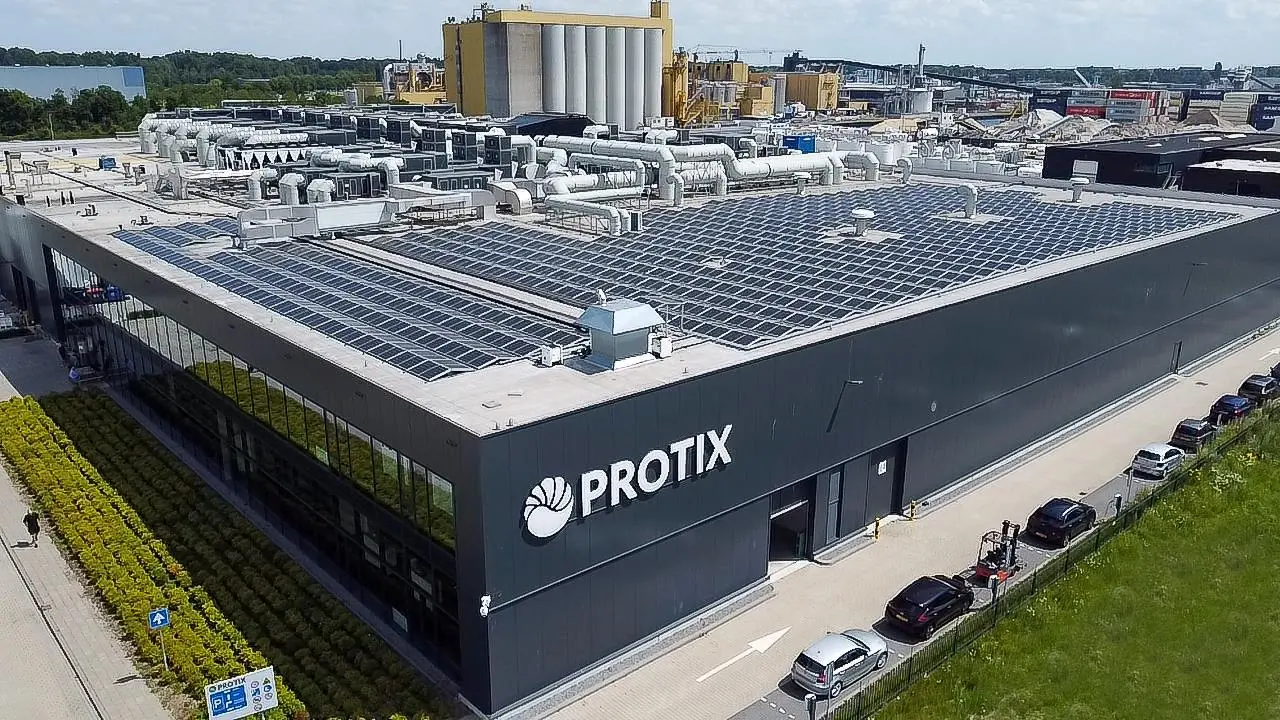
What differentiates insect ingredients from traditional alternatives is their capacity to create a circular food chain. In nature, insects are the clean-up crew and are eaten by other animals. Mimicking this in a high-tech vertical farm, the insects consume waste streams and transform them into a valuable meal, oil and frass that are used by manufacturers as ingredient for animal and plant feed. This process not only reduces waste disposal issues, it also closes nutrient loops.
Insect ingredients can also be produced locally and reliably in vertical farms to bolster food security, reducing dependence on volatile global imports such as fishmeal and soy. This resilience proves vital amid geopolitical tensions and supply disruptions.
With health, sustainability, circularity, and food security benefits, it is clear that the insect sector holds immense potential. However, to realise an even lower footprint, greater circularity and maximum feed and food security, the sector needs EU support in three key ways: First, the EU should permit lower grade waste streams as feedstock for insects; second, the EU could promote and incentivise the use of insect ingredients in animal and plant feed; and third, public authorities and regulators can help drive awareness and improve understanding of the benefits of insect ingredients among citizens and other stakeholders.
Wider feedstock
In the EU, Regulation (EU) No 142/2011 governs the handling of animal by-products, and classifies insects intended for human consumption or animal feed as “farmed animals”. This classification means that insects used for processed animal protein (PAP) production may be fed only materials of vegetal origin. Consequently, the use of catering waste containing meat or fish, for example, is prohibited. This amounts to a lot of wasted food our black soldier flies could potential devour and quickly convert into valuable ingredients.
China and other parts of Asia already allow a wider variety of waste as insect feed. The easing of current restrictions would facilitate the European insect sector in significantly expanding production and achieving attractive economies of scale, preserving the EU’s competitive edge. By following the Asian example, the EU can foster continued growth of this burgeoning industry.
Besides allowing lower grade feedstock, the EU should promote and subsidise the adoption of insect ingredients in animal and plant feed. Changes to the rate of inclusion of lower grade feedstock could take a more phased approach. Take the example of Sustainable Aviation Fuel (SAF) in kerosine. Under legislation introduced in 2025, a minimum of 2% SAF must be used in the fuel mix. This proportion is set to rise over time to 70%. A similar system could be adopted for insects, gradually replacing unsustainable commodities.
Additionally, providing access to public funds (such as the Common Agricultural Policy) and other incentives similar to those available in other farming sectors, would drive further adoption of insect-based feed.
Finally, governments and regulatory bodies can also play an important role in educating the public about the benefits of insect ingredients and insect-based feed. While the use of insect ingredients is becoming increasingly mainstream, there is still work to be done to raise awareness about the benefits and build trust. Government support in promoting this solution, in line with the efforts of organisations such as IPIFF, would be highly valuable.
A high-flying future for insect ingredients
Insect ingredients have the potential to transform the feed and food industry, creating a circular economy that utilises waste flows, drastically reduces the environmental burden and serves animals and plants with functional ingredients that deliver proven health benefits.
The industry needs to pull together to raise awareness of the benefits of insect ingredients, build the body of knowledge and scientific data, and create economies of scale. But it also needs the backing of governments to pass legislation, provide incentives and generate awareness that will allow the industry to grow.
If we are to bring the food and feed system back into harmony with nature and reduce our reliance on ingredients that are predicted to be in short supply, the time to act is now.
About Protix
Protix is the leading company in insect ingredients for healthy and sustainable pet food, aquaculture, livestock feed and plant care. The company is on a mission to create a circular food chain by using waste from the food industry as feed for insects. These insects are then processed into high-quality functional ingredients such as meal, oil and puree. Protix’s customers use these ingredients in animal feed and pet food. Reintegrating insects into the food chain helps restore nature’s balance and create a sustainable food chain. www.protix.com