






Octopus reproduction research milestone
The Nueva Pescanova Group has been able to close the reproduction cycle of octopus in aquaculture after decades of research.
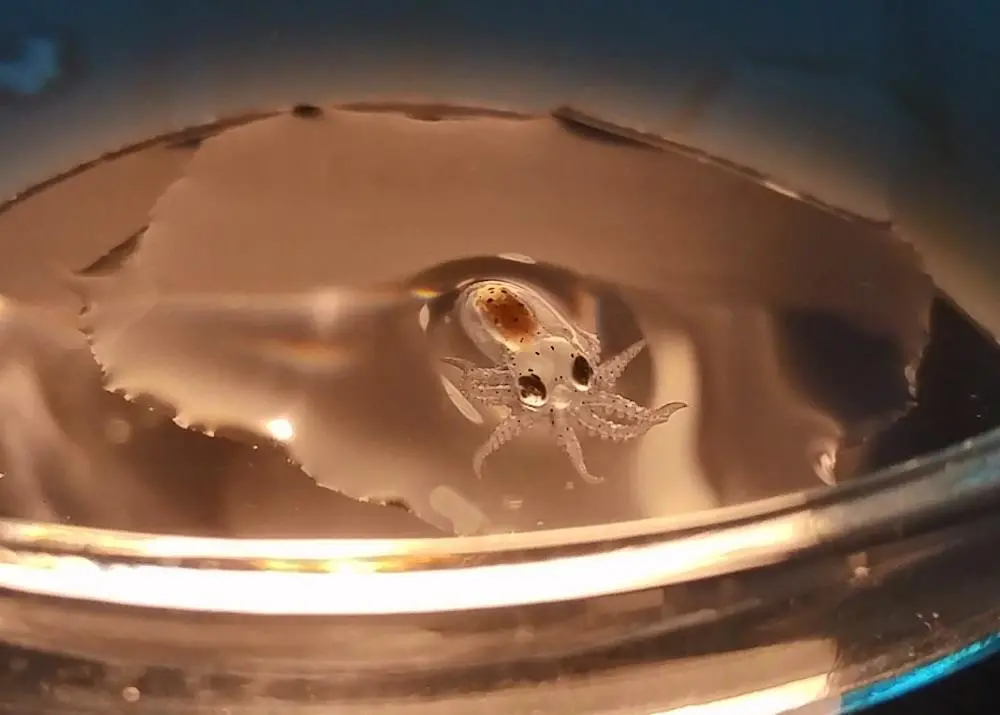
The company, headquartered in Galicia, Spain, has allowed for the octopuses born in aquaculture to not only reach their adult age but also to start reproducing in an environment outside of their natural habitat. The team is specifically working with 50 octopuses born in aquaculture in 2018, from the common Octopus variety (Octopus vulgaris).
According to Ricardo Tur, principal investigator on Cephalopods at Pescanova, “the octopus requires very specific marine conditions for development, such as the availability of food and optimal oceanographic factor connected to temperature, salinity, ocean currents, and the animal’s well-being”.
Survival increased
The survival rate of a wild octopus is 0.0001%, while this figure is estimated to be raised to 50% in aquaculture, greatly improving the chances of a sustainable future for the mollusc.
The research was launched by the Spanish Oceanographic Institute, which achieved the survival of juvenile specimens born in aquaculture. Pescanova then moved forward with the research at its facilities.
The octopuses, of which half are female, have reached adulthood. One of them has already laid some eggs, which she will be taking care of for approximately one month before they hatch.
Ignacio González, CEO of Pescanova, said: “we will continue to research how to continue improving the well-being of the octopuses, studying and replicating their natural habitat, with the expectation to be able to sell aquaculture octopus starting in the year 2023”.
Cultivation of octopuses will be one of the main focuses of Spain’s Pescanova Biomarine Center, which will open in 2020.
Related Articles
 AQUACULTURE
 AQUACULTURE
 AQUACULTURE