



Sea cucumber research
The humble sea cucumber may be key to feeding the world’s growing population whilst protecting the planet, according to new research.
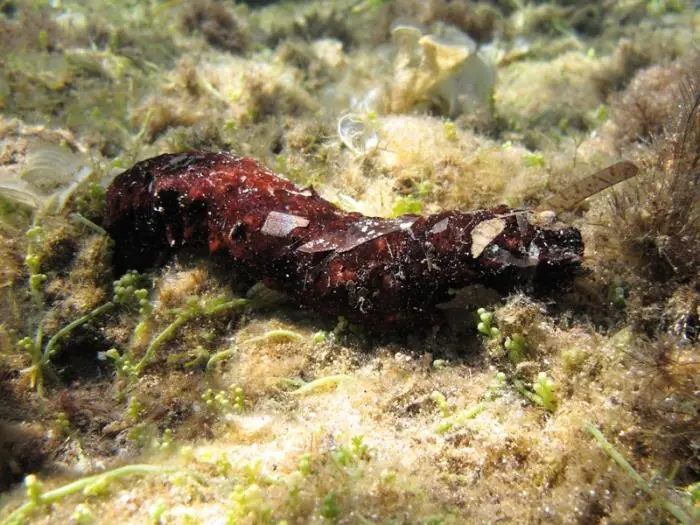
Scientists at the University of Stirling’s Institute of Aquaculture are showing how the Asian delicacy can thrive on organic waste from fish farms in the Mediterranean, helping to both reduce the environmental impact of aquaculture and provide a high value product.
“This research shows the feeding connectivity between fish and sea cucumbers under marine commercial fish cages, which means that farming them together in an integrated multi-trophic aquaculture (IMTA) system is viable,” explained Karl Cutajar, a PhD researcher at the Institute of Aquaculture.
Mediterranean sea cucumbers can fetch €120 per kilo whilst farmed sea bream nets just six euros.
“Something that removes organic waste, which can have a negative impact on the seafloor, whilst being a valuable commercial product, without the need for feed input, is an exciting discovery that presents environmental and economic opportunities,” continued Cutajar.
Sea cucumbers are prized in Asia where high demand is causing overfishing in some areas. With antibacterial and anticancer properties, they are increasingly being investigated for pharmaceutical uses. Commonly found in the western Pacific and Indian Ocean some varieties also grow in colder waters such as around the UK.
Part of the European Union’s Horizon 2020-funded project Tools for Assessment and Planning of Aquaculture Sustainability this research was conducted by AquaBiotech Group and the University of Palermo.