




Plans submitted for Scottish semi-closed farm
Plans for Scotland’s first semi-closed containment marine finfish farm have taken a further step forward, after the Scottish Environment Protection Agency (SEPA) granted an environmental permit for the farm.

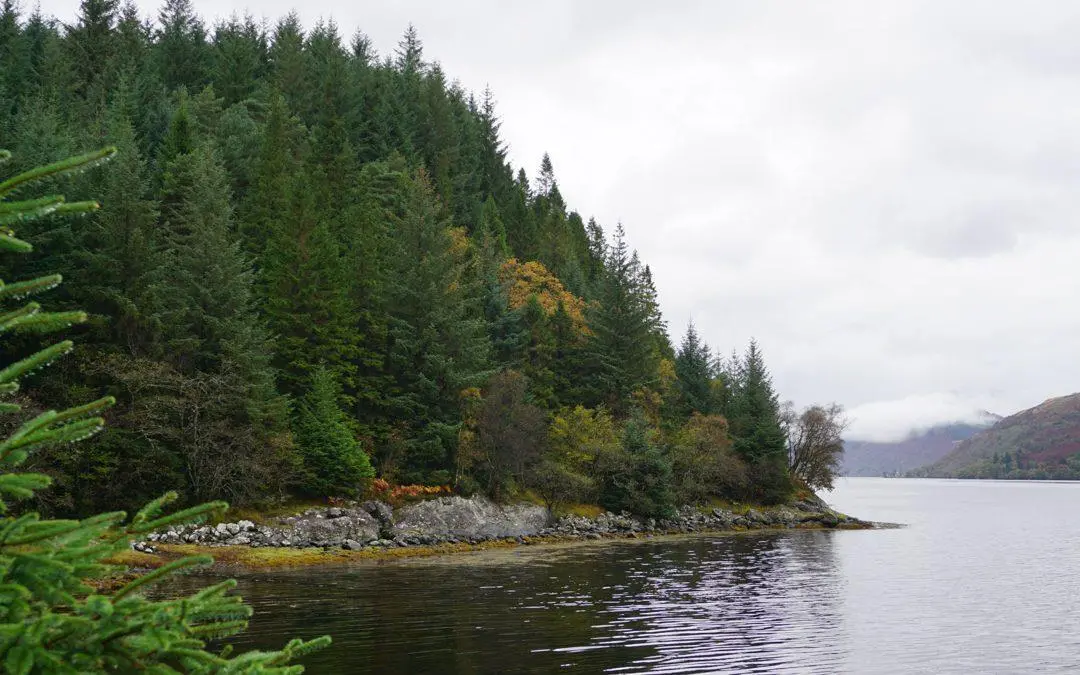
The environmental permit allows Loch Long Salmon to deploy five enclosures of 140m circumference at the company’s Beinn Reithe site, with a biomass limit of 3,452 tonnes. The semi-closed farming system prevents sea lice from entering the pens, protecting both farmed and wild fish in the loch and meaning no chemicals are needed.
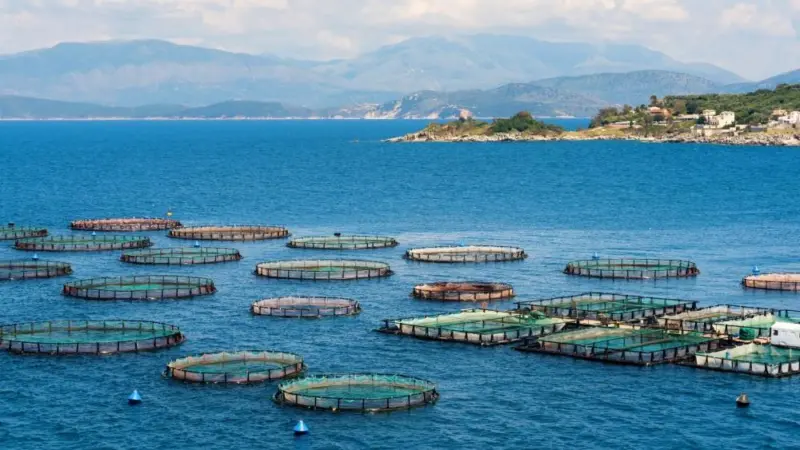
“Semi-closed farming systems look much like conventional pens from above. But under the water they have an opaque, impermeable outer barrier that surrounds the fish net,” said Stewart Hawthorn, director of Loch Long Salmon.
SEPA hopes that the aquaculture sector in Scotland will become a world-leader in minimising the environmental impact of food production and supply. To encourage innovation, SEPA will provide developers with early advice on regulatory requirements and adapt its permitting framework to reflect the way novel systems operate.
In 2019 the regulator introduced its Finfish Aquaculture Sector Plan and a Revised Regulatory Regime aimed at maintaining full compliance with environmental protection laws while helping those investing in innovation.
Loch Long Salmon has submitted the planning application to Loch Lomond & The Trossachs National Park Authority. If approved, construction is planned to begin by the end of 2022.
Related Articles
 AQUACULTURE
 AQUACULTURE
 AQUACULTURE