





Scaling up single-cell protein production
Saudi Industrial Investment Group (SIIG) and Unibio have announced plans to build what they describe as the world’s largest single-cell protein (SCP) facility, marking a significant step forward in alternative aquaculture feed production.
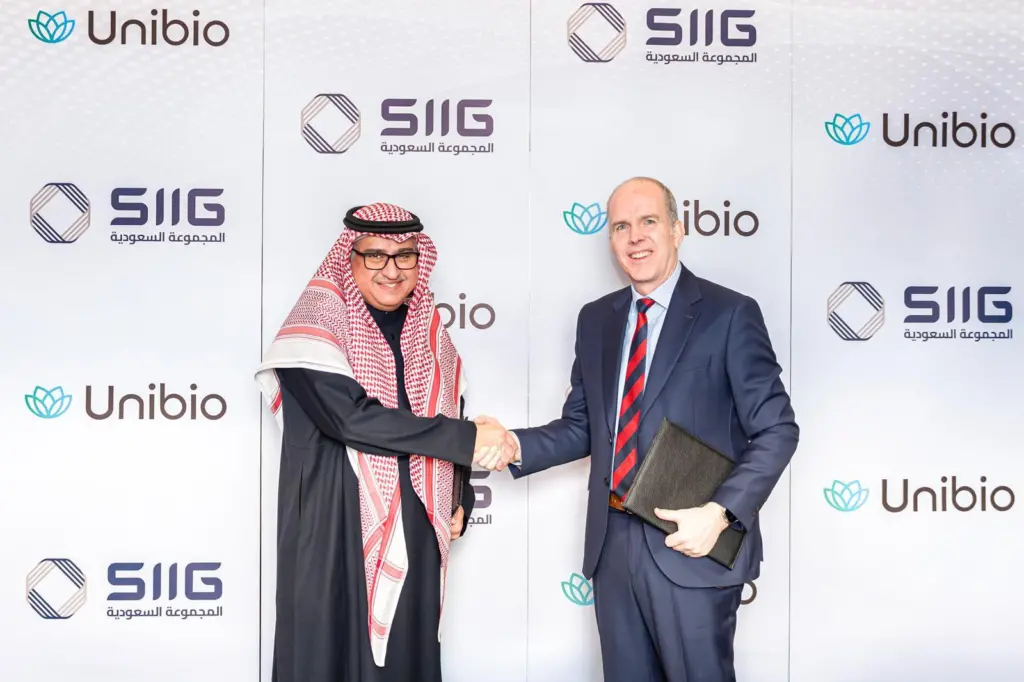
The plant, to be located in Al Jubail, will initially produce 50,000 tonnes of Uniprotein annually, with plans to scale beyond 300,000 tonnes in the coming years. Construction is expected to begin in late 2026, with commercial operations targeted for 2028.
The joint venture, structured 80:20 between SIIG and Unibio, will use natural gas as a feedstock, converting methane into protein through Unibio’s proprietary vertical loop bioreactor technology.
“The world needs innovators who collectively want to find a solution to providing food stability for future generations,” said Unibio chief executive David Henstrom. “We believe that our fermentation technology is ideal for Saudi Arabia.”
Single-cell proteins are gaining traction across aquaculture as the industry seeks alternatives to fishmeal and soy. Companies such as Calysta have already commercialised methane-based proteins, while feed producers including BioMar and Skretting are incorporating novel ingredients into commercial diets to improve sustainability and supply security.
Against this backdrop, the SIIG–Unibio project stands out for its scale and strategic positioning. At full capacity, it would surpass existing SCP facilities globally, while also directly supporting Saudi Arabia’s goal of reducing reliance on imported animal feed.
“We are excited to work on developing this project alongside our partner Unibio,” said Abdulrahman Alismail of SIIG. “We aim to make Saudi Arabia the leader in single-cell protein production and improve food security for the world’s growing population.”
Related Articles
 BUSINESS & FINANCE
 AQUACULTURE
 ICELANDIC FISHERIES EXHIBITION