






Net survey to increase catch volumes
Research conducted by NOAA Fisheries has shown that increasing the wing spread of a net can help increase the volume of catch.
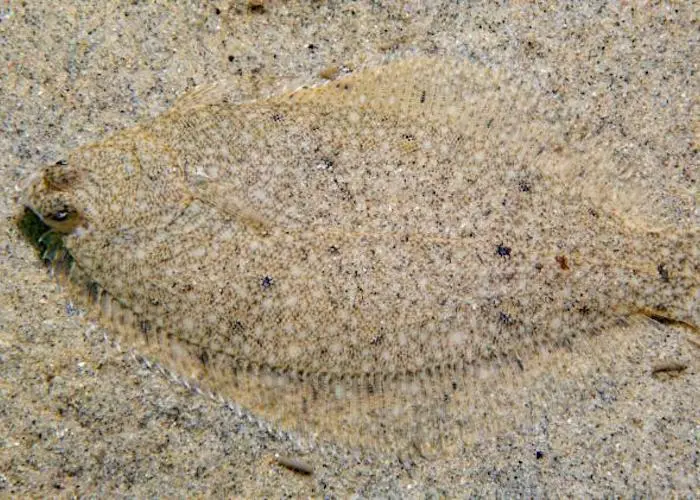
Fisherman and scientists have been conducting a long-running bottom trawl survey to determine what method is most efficient, ie how many of the fish in front of a towed net are actually captured by that net.
Newly published research has shown that opening the net wider can increase catch volumes. “The results suggest that varying wing spread in the bottom trawl survey net does not have a significant impact on how efficiently the net captured the targeted flatfishes,” said Andrew Jones, a fishery biologist at NOAA’s science centre and lead author of the paper.
“However, the varying wingspread among tows did affect the total weight of catch. Specifically, an increase in catch was observed with an increase in wing spread,” he said.
Researchers investigated how differences in net wing spread at different depths might influence catch efficiency of four flatfish – Winter flounder, Witch flounder, Windowpane flounder and American plaice.
They contracted Salt Pond Fisheries to charter the F/V Karen Elizabeth which can fish two trawl nets side by side at the same time. During the experiment, the wing spread of one net was maintained at 13 metres for every tow as the control whilst the other varied between 9 and 16 metres across tows as the treatment.
Related Articles
 FISHING TECHNOLOGY
 NEW VESSELS
 FISHING TECHNOLOGY