



Construction of the first farm and processing plant to turn red seaweed into a feed supplement for cows to reduce their methane production is expected to begin next year in South Australia.
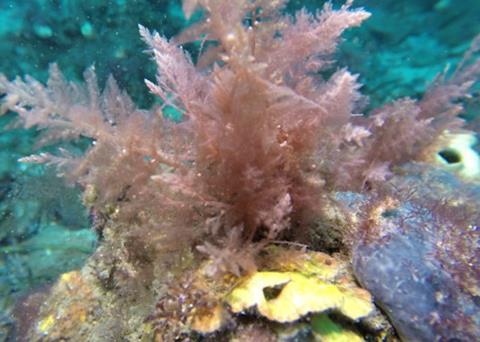
Cattle are a major contribution to greenhouse gas emissions and research has found that the red seaweed Asparagopsis mixed with regular feed at a rate of 100g per cow per day reduces methane production by 90%.
Sustainable agriculture company CH4 has gained approval to sell the feed in Australia and plans to build its first two facilities in the Yorke and Eyre Penisulas with further ‘eco-parks’ planned in the future.
“We’ve defined what we call an eco-park and the minimum size that makes sense is 20 hectares of aquaculture space in the water and two hectares on land containing a hatchery to grow the seedlings and a facility for processing,” said CH4 Global chief executive, Dr Steve Mellor.
The benefits are not confined to reducing methane. “[The eco-parks] also do things like reduce ocean acidification, reduce excess nutrients in the water from agricultural runoff from waste from an existing tuna or kingfish farms,” said Dr Mellor.
Asparagopsis works by interfering with the last stage of methane production in a cow’s stomach. “If the methane is blocked you’ve got 12 to 15 per cent more calories retained in the cow for the same amount of food,” explained Dr Mellor.