





Krill meal improves salmon health
Krill meal improves the welfare and fillet quality of salmon, according to a recent study by the Norwegian Institute of Food, Fisheries and Aquaculture (Nofima), in collaboration with Aker BioMarine.
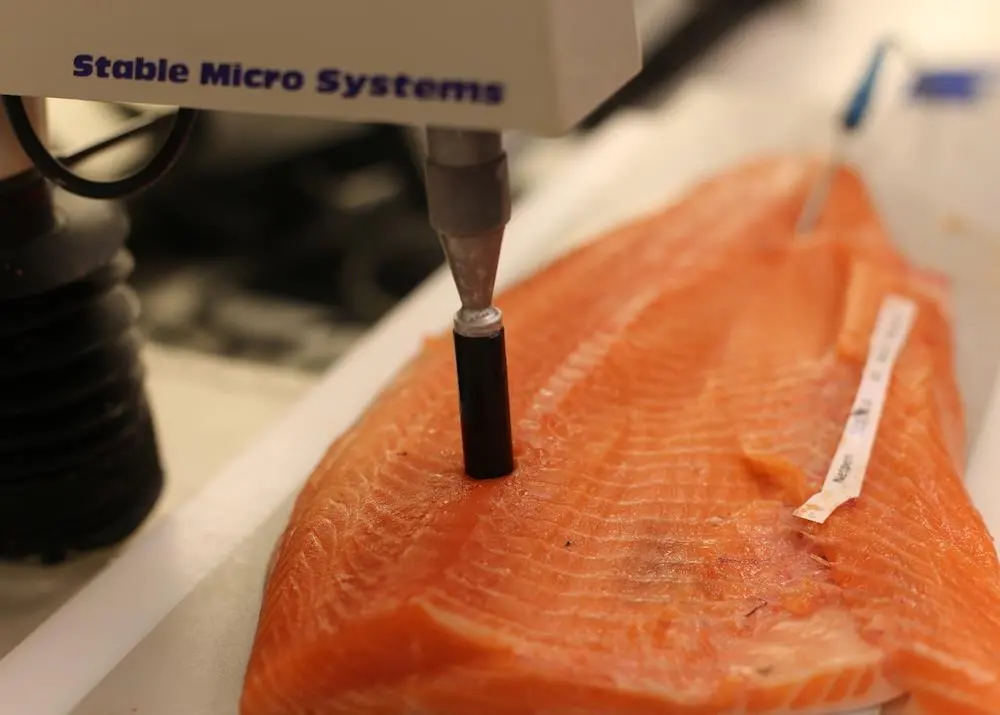
The study, now published in the British Journal of Nutrition, investigates the health parameters and meat quality of Atlantic salmon fed a diet where fish meal was substituted with krill meal during the finishing feeding period.
“Antarctic krill meal has sparked the interest of marine researchers due to its nutritional profile,” said Dr Turid Mørkøre of Nofima and author of the study. “Previous studies have shown the proven effects of krill. With this study we wanted to uncover the basic mechanisms behind these effects on farmed Atlantic salmon. The overall goal is to improve the systemic understanding of dietary krill meal effects on a biochemical, morphological and molecular level.”
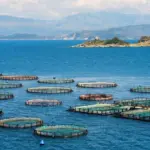
Researchers chose 800 Atlantic salmon, weighing 2,270 grams each, randomly distributing them across eight sea cages at the LetSea feed trial unit in Norway. The study experimented with supplementing krill meal (12%) in a low fish meal diet (5%) among salmon.
Overall the results revealed positive effects on salmon health, primarily in body shape, heart health, fillet quality, immunity and hindgut.
“We knew that nourishing salmon with krill supplemented diets benefits salmon performance, overall health and fillet quality,” said Dr Tibiabin Benitez-Santana, director R&D fish nutrition, Aker BioMarine. “With these new findings, we now also understand why,” she added.
Related Articles
 AQUACULTURE
 SEAFOOD
 AQUACULTURE