


Dutch companies opt for Dyneema
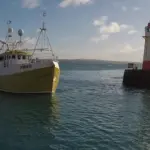
Dutch fishing company Cornelis Vrolijk and its subsidiary Jaczon are replacing their nylon trawls with Dyneema, DSM’s light and strong UHMwPE (ultra high molecular weight polyethylene) fibre.
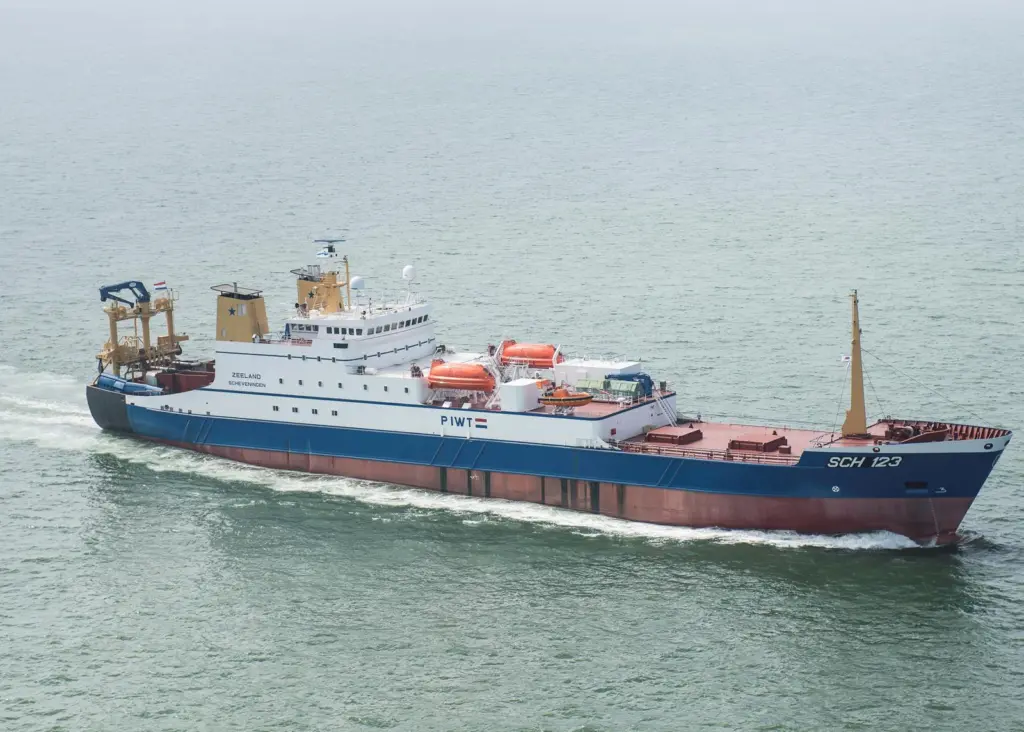
The use of this far thinner material in pelagic trawls offers immediate and tangible environmental advantages, according to DSM. The reduced resistance of the trawls in the water translates into a significant reduction in CO2 emissions, thus reducing the CO2 footprint of the pelagic fishing fleet. In this way Dyneema® makes a substantial contribution to improving the overall sustainability of the fishing industry.
In testing, identical trawls made of predominantly conventional materials such as nylon, were also carried onboard some of the vessels. This made it possible to compare the performance of the different materials used in trawls of an identical design. The fishing company’s assessment of the new trawls was extremely positive.
Eric Roeleveld, Operations Manager of Jaczon says: “As a company specialised in pelagic trawling, we are profoundly aware of the environmental impact of our activities. One of our key drivers is to continuously look for increased sustainability in our fishing methods. We try to reduce our CO2 footprint wherever possible and support the FAO code of conduct for sustainable fisheries.”
Cornelis Vrolijk and Jaczon now have eight of the trawls made with Dyneema® in use. The size and shape of the trawls depends on the targeted species, fishing area and the dimensions of the vessel.
The newly developed trawls offer a number of specific benefits in comparison to traditional nylon versions. The lighter material makes them easier to handle and therefore safer in use for the crew.
Feedback on the new fishing trawls has been favourable. “Positive results are coming in from all quarters,” says Johan Müller, Cornelis Vrolijk’s Fishing Fleet Manager. “We can also confirm a substantial reduction in fuel consumption and subsequent CO2 emissions.”
As well as easier, safer use and savings on fuel, the development of lightweight fishing trawls has brought about a major improvement in sustainable fishing techniques. “This is good for the environment and good for the fishing industry,” says Johan Müller. “We would definitely encourage other fishing companies to adopt this strategy and the use of this new material as well.”
Related Articles
 FISHING TECHNOLOGY
 NEW VESSELS
 FISHING TECHNOLOGY