




Circularity breakthrough could be a game-changer
A collaborative project between a group of partners to recycle nylon fishing and aquaculture gear could become an industry turning point, depending on the outcome of full-scale trials now in progress.
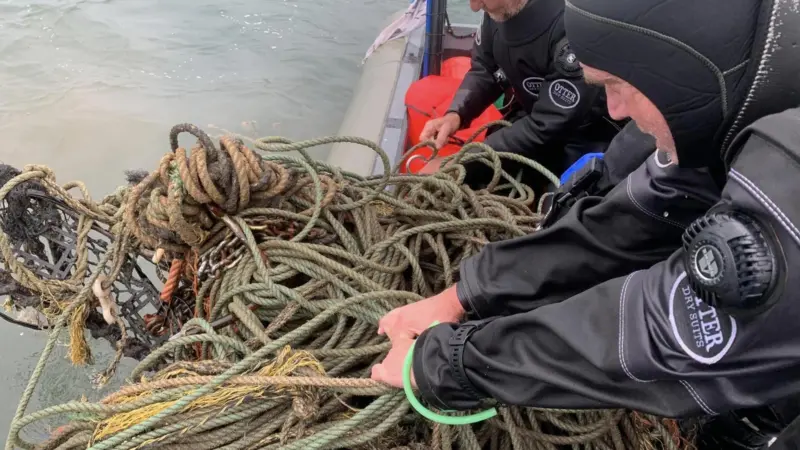
Recycled fishing gear is not new, and a number of companies around the world are working with fishing and aquaculture gear to turn it into something useful instead of it becoming landfill – but there are a number of challenges associated with this, not least that there are only so many times that the shredded material can be recycled, losing some of its strength and other qualities with each successive generation.
The Circular Fish Farming Nets (CFFN) project aims to recycle nylon using a different approach, which is predicted to maintain all of the strength and other qualities of virgin material – and it’s nominated for the Aquaculture Awards 2024.
The key to this recycling method that the CFFN project is exploring is the depolymerisation of end-of-life nylon, which has already been practiced for years by Aquafil, one of the project partners. This chemical process disassembles the polyamide back into a base oil that can be used to create new PA6 polymers.
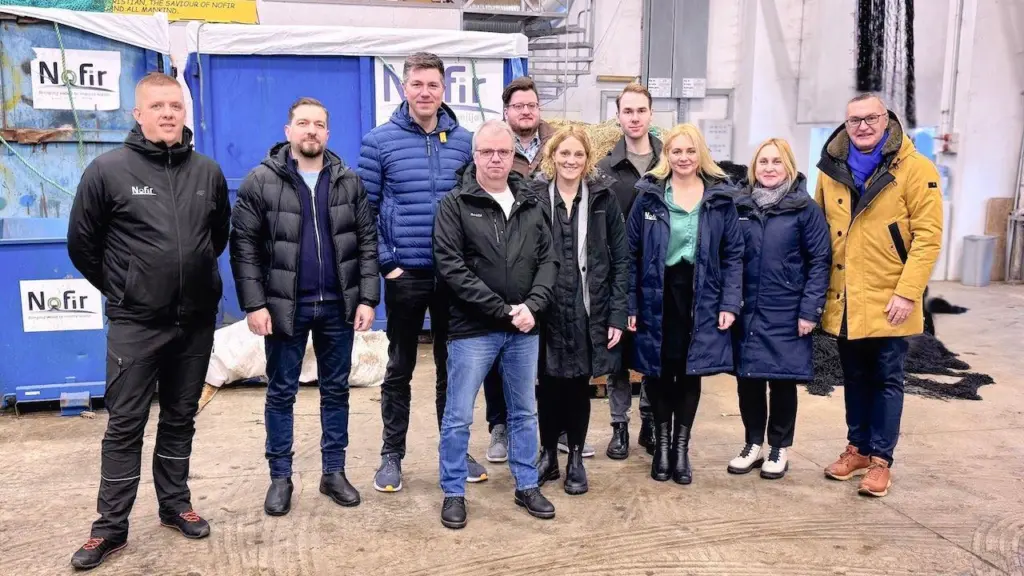
Financed by the Norwegian Retailers Recycling Fund, the CFFN is a collaboration between Hampidjan Group, Nofir, Aquafil, AKVA Group and Grieg Seafood and the aim is 100% recycled nylon as a one-to-one replacement for virgin nylon. Now about to enter testing at full scale for a normal cycle of usage, this has far-reaching implications for the fishing gear and aquaculture equipment sectors.
“This process creates a new feedstock for fibre production that is now being utilised for the first time in the production of fibres in the quality and strength that the aquaculture industry requires,” a Hampiðjan representative said, commenting that nylon is used heavily in aquaculture installations, purse seine fishing gears and heavy-duty codends for a variety of trawl gears.
Using this process has the potential to be transformative for the future sustainability of the aquaculture and fishing sector, and presents for the first time alternatives to disposal or processing via mechanical recycling.
“The CFFN project is an exciting opportunity for Hampidjan Group to offer its customers a circular product with a major savings in carbon emissions through the entire value chain of nylon. It will also be a guideline for what is possible in this sector through co-operation across the industry,” Hampiðjan states.
“Hampidjan Group will, in close cooperation with its subsidiaries Hampidjan Baltic, Vónin, and Mørenot, produce one full-sized aquaculture cage and as will AKVA Group. Fibres and netting will be vigorously tested to demonstrate the ability of the recycled material to match the performance of ‘virgin’ nylon. The full cages will then be used at Grieg Seafood sites for a full normal cycle.”
Related Articles
 FISHING TECHNOLOGY
 NEW VESSELS
 FISHING TECHNOLOGY