





Waitrose looks to help migrant fishers after confirming UK industry failings
UK supermarket chain Waitrose has launched a series of videos to improve welfare standards across the UK fishing sector, in particular for migrant workers joining the industry. The move follows reports of sector-wide issues, including overworking and illegal recruitment fees, with the films intended to educate workers on what to expect when entering the sector.
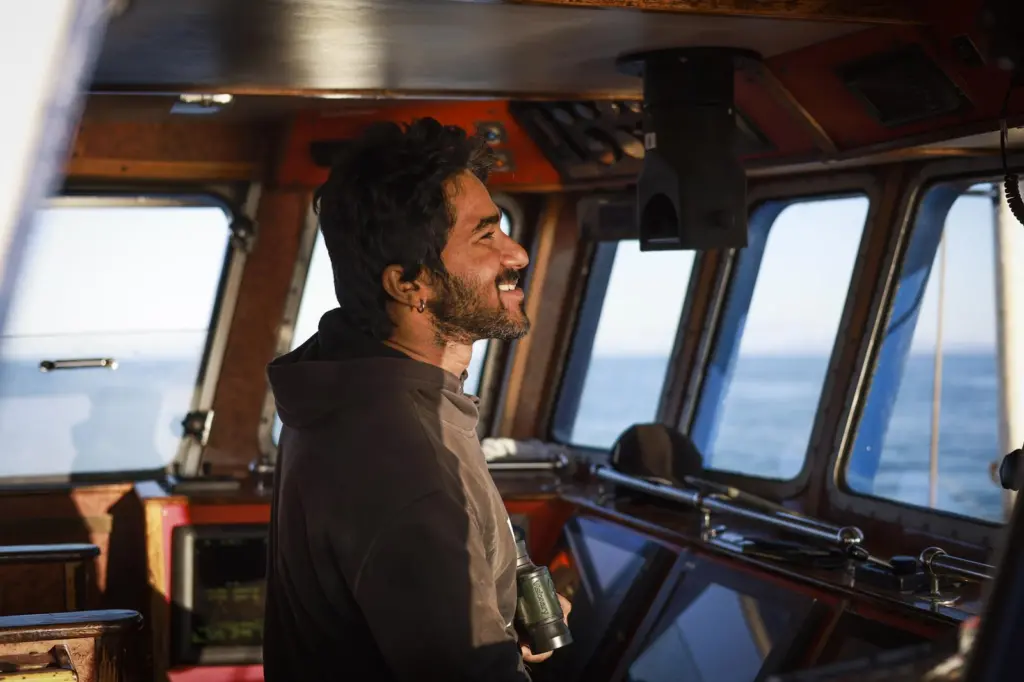
Featuring fishermen from countries including India, Latvia, Sri Lanka, the Philippines and Ghana, the clips share worker’s real experiences, and the things they wish they’d known when starting work in the UK.
The videos explain workers’ legal rights, including ensuring adequate rest, entitlements to pay for all hours worked, safety training and the provision of free personal protective equipment. They also cover practical advice, like making sure fishers pack warm clothing when heading to the UK, and how getting international phone credit makes it easier to stay in touch with loved ones abroad.
Explaining the move, Waitrose said that globally, the fishing industry has been linked to poor working practices and human rights violations, and that it recognises the sector as a “high-risk area” for poor working conditions.
The four videos were made after Waitrose commissioned an independent human rights consultancy, Impactt, to speak to off-duty crew at two major Scottish ports. Over 40 interviews were conducted and, to ensure an accurate representation of people’s experiences of the industry, interviewees were selected at random rather than from Waitrose’s own suppliers. The research found that many migrant crew were neither prepared for the harsh realities of life at sea, nor aware of their rights.
“The UK fishing industry relies on international workers, but too many join the sector without fully understanding their rights or what to expect,” said Sam Ludlow-Taylor, Senior Human Rights Programme Manager for Waitrose. “While we’ve long championed sustainable fishing, we know there’s more to do in our supply chain, and particularly across the wider sector. That’s why we’re making the videos public, to help drive real change across the industry.”
Over three quarters of the people Waitrose spoke to worked up to 20 hours per day continually across three to four weeks, without proper rest breaks.
Similar findings were also uncovered in a wider study, published in 2022 by the University of Nottingham Rights Lab. This found that 60% of crew reported working a minimum of 16 hours per shift, while a third reported working more than 20 hours.
Regardless of the size of the vessel, if at sea for more than three days, workers must be given at least 10 hours rest every day, rising to 77 hours across any seven-day period.
The payment of illicit recruitment fees was also highlighted as a key issue, both in Waitrose’s research and that of the University of Nottingham. Waitrose researchers interviewed someone who paid over GBP 2,300 to get a job in the UK.
Workers are often unaware that such fees should never be paid by job seekers, the company highlighted. Instead, as the new videos show, the vessel owner must cover recruiters’ costs, so workers aren’t left out of pocket.
Waitrose said that while its research uncovered significant areas for improvement, it also found positive practices – from good pay, especially relative to that in workers’ home countries, to good food whilst at sea. Many of the workers highlighted strong relationships with their crew and skipper, while others praised the onboard Wi-Fi for helping them stay connected with loved ones abroad, even while at sea.
Funded by Waitrose, the videos were produced alongside independent maritime welfare charities, The Seafarers’ Charity and Stella Maris, and The International Transport Workers Federation.
“There’s lots to celebrate about the UK fishing sector; it can provide comfortable salaries – significantly higher than migrant workers may earn in their home countries,” said Tina Barnes, Impact Director at The Seafarers’ Charity. “Likewise, as this research shows, crews can forge incredible bonds. Of course, there’s still work to do, and these videos will make a tangible difference to the lives of fishermen – both from the UK and abroad.”
The films also advise fishers to request a duplicate copy of their contract in their preferred language, to expect more than minimum wage, and what taxes will be forthcoming. Another clip sets out what is acceptable behaviour from skippers and crewmates, and includes links to charities, which can provide support and advice.
These clips have been made available on the John Lewis Partnership YouTube channel, and are being shared internationally by the company’s partner charities.
Outside of the videos, Waitrose said it is working to make sure that all UK vessels supplying Waitrose meet the voluntary Responsible Fishing Vessel Standard (RFVS) that was launched in 2020. It also funds a Regional Outreach Manager to visit fleets in southwest England and northeast Scotland and to establish greater awareness and interest in the RFVS programme.
Related Articles
 FISHERIES
 FISHERIES
 FISHERIES