





US Secretary of Commerce confirms Alaskan fishery disasters
Following a request from the Governor of Alaska, US Secretary of Commerce, Gina M. Raimondo, has determined that a number of fishery disasters occurred across the state from 2018 to 2021.
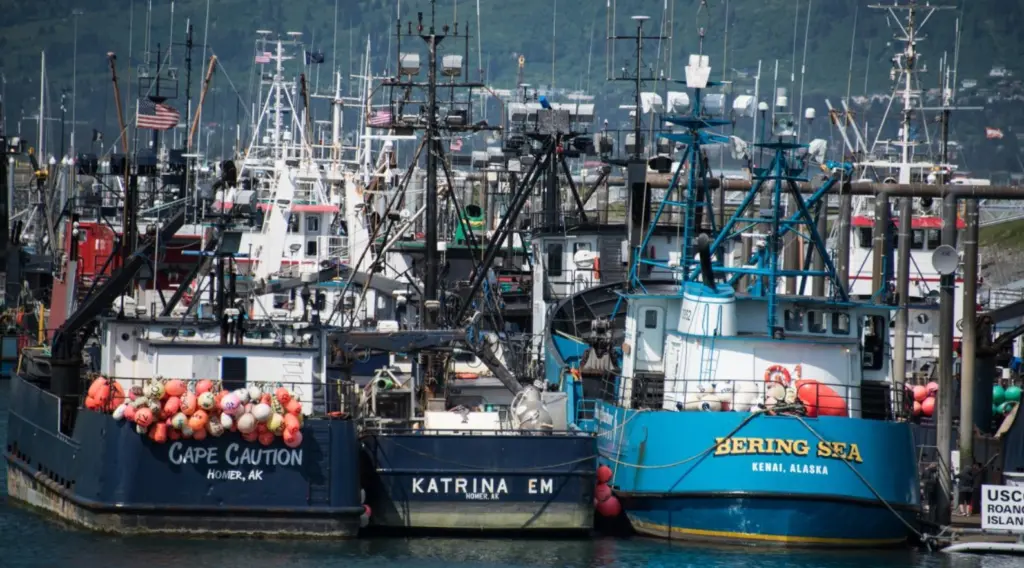
A declared fishery disaster must meet specific requirements under the Magnuson-Stevens Fishery Conservation and Management Act and/or the Interjurisdictional Fisheries Act. If the criteria are met the fishery is then eligible for disaster assistance from NOAA.
“Helping communities to bounce back from the impacts of fishery disasters is essential, and we are working to ensure there is relief coming for impacted Alaskans,” said Secretary Raimondo.
“Disasters like these, which impact multiple fisheries across Alaska, illustrate how vital sustainable fisheries are to our economy at not only the local level, but for the economic health of our nation’s blue economy,” she added.
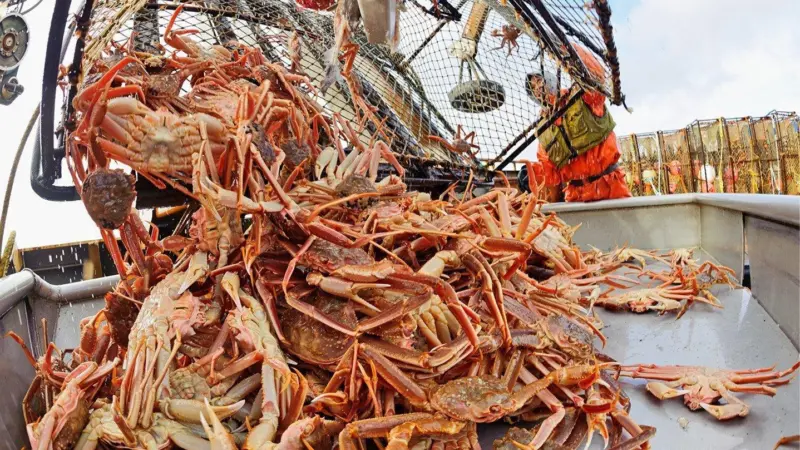
The Secretary found that the following fisheries met the requirements for a fishery disaster determination: Upper Cook Inlet East Side Set Net (2018) and Upper Cook Inlet salmon fisheries (2020); Copper River Chinook and sockeye salmon fisheries (2018); Prince William Sound salmon fisheries (2020); Copper River Chinook, sockeye, and chum salmon fisheries (2020); Eastern Bering Sea Tanner crab (2019/2020); Pacific cod in the Gulf of Alaska (2020); Alaska Norton Sound, Yukon River, Chignik, Kuskokwim River, and Southeast Alaska salmon fisheries (2020); and Yukon River salmon fishery (2021).
To be eligible for support, there must be economic impacts and declines in fishery access or available catch resulting from specific causes, such as natural causes beyond the control of fishery managers to mitigate.
The Secretary has received additional requests for fishery disaster determinations from several other states and tribes. NOAA Fisheries is currently working with the requesters to finalise those evaluations.
Related Articles
 FISHERIES
 FISHERIES
 FISHERIES